

You’re moving overseas for a lucrative salary, a new adventure, and the chance to explore a new culture. But a few months in, your bank account might tell a different story.
At first, everything looks fine, but relocation expenses quickly add up in ways recruitment presentations rarely mention. Visa and work permit fees, hefty housing deposits, coverage, international banking charges, and unexpected tax obligations can drain thousands before you’ve even started work.
Most teachers discover these costs too late, often after they’ve already committed to the move. So to save you the headache, this article walks through every cost that can surprise teachers abroad and gives you a full financial checklist. This way, you can budget confidently before signing your contract.
Let’s uncover the expenses teachers often miss until it’s too late.
Visa and Work Permit Expenses Add Up Fast
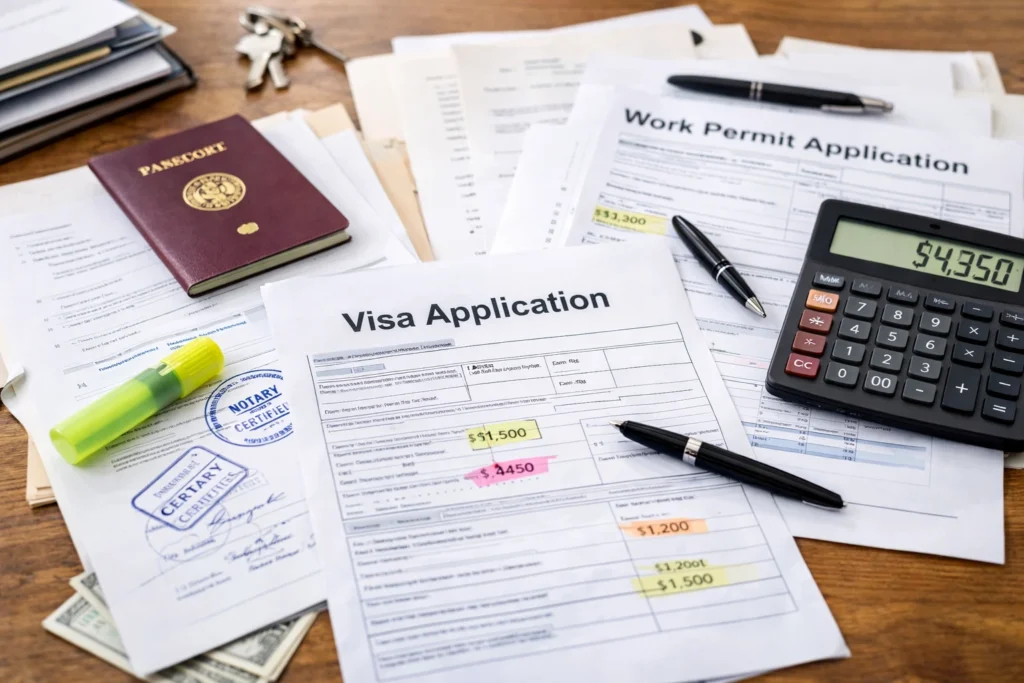
Visa and work permit costs usually range between £500 and £2,500, depending on your destination, and they can include several hidden fees you might not have budgeted for. Some countries require health checks or document authentication, while others ask for criminal record checks and notarised copies. These expenses add up quickly and are often unavoidable.
For example, a teacher heading to Vietnam might spend £400 on the work permit, but adding a background check, notarised documents, and courier fees can push it over £600. And this is before you even land.
In some cases, teachers must make a short trip out of the country to activate the visa, adding flights and accommodation. Many permits also require annual renewal, often with similar fees.
Housing Deposits and Furnishing a New Home
Monthly rent is just one piece of the puzzle when moving into your first overseas apartment. For many teachers, the real surprise comes from the initial deposits, which can reach three months’ rent or more.
Here’s what those upfront housing costs usually include:
- Security Deposits and Key Money: When moving abroad, initial move-in costs often include a security deposit and, in some countries, key money. In Japan, for instance, deposits average 1.44 months’ rent, key money about 1–1.5 months, and agency fees 0.5–1 month. Combined, upfront costs can total roughly 4–6 months’ rent.
- Basic Furniture and Appliances: Many apartments come unfurnished, so you’ll need essentials like a bed, fridge, washing machine, and kitchen basics. Teachers often spend £800 to £1,500 on these items in the first month.
- Utility Connection Fees: Setting up electricity, gas, water, and internet can require deposits or connection fees ranging from £100 to £300, depending on the country and provider.
We recommend budgeting for at least five months’ rent upfront. This approach can help you cover deposits, furniture, and utilities without financial stress.
Health Insurance That Covers You Abroad

Did you know that your home country’s insurance usually won’t cover you overseas? Well, most people don’t. So before you move, it’s important to budget for comprehensive coverage, including:
- International Health Plans: If you want comprehensive coverage abroad, expect to pay £800–£1,500 annually for hospital care, doctor visits, and prescriptions. This is the baseline for full peace of mind.
- Pre-Existing Condition Riders: Do you have diabetes or other chronic conditions? Adding coverage for pre-existing conditions can cost £200–£500 per year, but it makes sure you’re protected while overseas.
- Emergency Evacuation Insurance: Accidents happen. For £150–£300 annually, this covers medical repatriation or air ambulance transport if you need urgent care abroad.
- Out-of-Pocket Deductibles: Even with insurance, budget £500–£1,000 for initial medical expenses or minor treatments your insurance won’t cover. It’s better to be prepared than surprised.
Without proper coverage, even the simplest treatments can cost thousands. For example, treating a broken arm in the UAE can easily reach £3,000.
Many school contracts include only basic local insurance, which often excludes dental care, mental health support, or serious medical evacuation. This can leave you exposed to major unexpected expenses.
Shipping Your Belongings Versus Starting Fresh
Shipping your belongings overseas sounds sensible until you run the numbers. International shipping typically costs £2,000–£5,000 for a full container, and for many teachers, that ends up exceeding the value of what they’re moving.
But that doesn’t mean shipping is always a mistake. In some cases, it can be the better option.
When Shipping Makes Sense
Shipping can be worthwhile if you own high-value items such as quality furniture, musical instruments, or irreplaceable sentimental pieces.
To decide, calculate the replacement cost of everything you plan to ship and compare it with mover quotes (typically £150–£200 per cubic metre for sea freight). If replacement costs clearly exceed shipping, it may be justified.
The Hidden Costs of Starting Over

Starting fresh means you’ll spend £1,000–£2,000 on basics like bedding, kitchenware, and clothing. But you avoid customs duties, storage fees during transit delays, and the stress of items arriving damaged or lost.
In our experience, many teachers prefer buying locally because furniture in your destination country often suits local apartments better than bulky Western pieces that don’t fit doorways or rooms.
Making the Financial Calculation
Compare total shipping costs (including insurance and customs) against what you’d spend starting over. Budgeting for this decision upfront helps avoid unpleasant surprises later.
Currency Exchange Fees and Banking Changes
Most teachers assume their bank gives the same exchange rate they see on Google. Unfortunately, it doesn’t. Traditional banks typically build a 3–6% markup into international transfers and salary conversions, and because it’s hidden in the rate, most people never even notice.
Over time, that loss adds up. If you’re sending money home each month, even a 3–6% spread can easily cost over £1,000 a year without any obvious “fee” appearing on your statement.
Thankfully, switching to dedicated international transfer services can reduce these losses. For example, platforms like Wise use near-market exchange rates and charge a small, transparent fee instead of inflating the rate. For teachers paid abroad, this often means hundreds more reaching home each year.
Professional Certification and Document Authentication
Before you can legally work overseas, most countries require certified copies, document authentication, and professional verification.
Here’s what that looks like:
- Apostille and Notarisation Services: Your degree and teaching certificates need official stamps before foreign governments will accept them. Each document typically costs £30–£75 to notarise, and if your destination country requires an apostille (an international certification), expect another £30 per document. Teachers with multiple qualifications can easily spend £200–£300 just on paperwork verification.
- Criminal Record Checks and Translation: Most countries require a recent background check, which costs £45–£100 depending on your home country. If the destination country doesn’t accept English documents, you’ll also pay £50–£150 per document for certified translation. A teacher moving to China, for example, might spend over £400 between background checks, authentication, translations, and courier fees to deliver documents on time.
- Medical Certificates and Tests: Some countries demand medical exams, including blood tests, X-rays, or proof of vaccinations. These can range from £100 to £300, and they’re usually completed within a specific timeframe before your visa application. Miss the window, and you’ll pay again.
Budget at least £500–£800 for all document-related costs before you leave. These aren’t optional expenses, and rushing them often costs more.
The Cost of Staying Connected to Home

When you’re halfway across the world, staying in touch can become surprisingly expensive if you rely on standard mobile plans. It’s worth budgeting for these communication costs early, rather than treating them as afterthoughts.
- International Calling Plans: Budget £15–£30 per month for reliable calls, especially for banks, schools, or emergencies.
- VPN Subscriptions: Expect £5–£10 per month to access home services like banking apps or streaming platforms.
- Messaging Apps Setup: Apps like WhatsApp or Telegram rely on stable internet, which may require higher data plans or home broadband.
- Emergency Phone Credit: Keep £20–£50 available for urgent international calls when internet access fails.
Even small recurring costs like these add up over the first few months, so including them in your initial budget prevents stress and unnecessary extra spending.
Tax Obligations in Two Countries
Many teachers face tax obligations both in their host country and their home country. While tax treaties often prevent true double taxation, they don’t remove the need to file correctly in both countries.
When you earn a salary abroad, the host country usually taxes it at source. Meanwhile, your home country may still consider you a tax resident depending on how long you stay overseas and where your financial ties remain.
For example, a UK teacher in Thailand can pay Thai income tax, but HMRC might still require a return if you haven’t formally declared non-residency or if you earn UK income alongside your teaching salary.
Tax treaties between countries help by allowing you to claim foreign tax credits, which reduce what you owe at home by the amount already paid abroad. Still, filing requirements remain, and penalties for missing deadlines can be substantial (sometimes thousands of dollars).
Bottom line: Consult a cross-border tax adviser before you leave to avoid surprises later.
Your Financial Checklist Before Boarding the Plane
Before you sign your contract and book your flight, make sure you have budgeted for these relocation expenses:
- Visa and work permit fees
- Housing deposits, often two to three months’ rent
- Health insurance coverage gaps
- Shipping costs or furniture replacement
- International banking and transfer fees
- Document authentication and translations
- Communication setup, including phone and internet
- Tax planning and preparation
Most teachers need between £5,000 and £10,000 set aside for their first three months, depending on the destination and contract terms. Add a further £1,000–£2,000 buffer for delays, renewals, or last-minute document requirements.
If you’re looking for more guidance on teaching abroad, visit The Library Fanatic for advice from teachers who have already made the move.