

Moving to the UK to teach sounds simple enough until you start dealing with visa paperwork, qualification recognition, and trying to find housing from 5,000 miles away. Then it hits you: this is going to take more than just booking a flight.
The reality is that teaching in the UK comes with logistics that many international teachers don’t expect. You’ll need the right visa category, proof that your qualifications transfer, and a grasp of how UK schools operate differently from what you’re used to. Miss any of these steps, and you’re stuck in admin limbo before you even reach the classroom.
But here’s the good news: thousands of overseas teachers make this move successfully every year. The process is manageable once you know what’s actually important and what’s just noise. This guide walks you through the essentials, so you know exactly what to tackle first.
Ready? Let’s get started.
Visa Requirements for Overseas Trained Teachers
Teachers from countries like Australia, Canada, and New Zealand can often qualify for UK Skilled Worker visas, though requirements differ by experience and qualifications.
The catch? You need sponsorship from a UK school before you can apply. That means securing employment first, usually through overseas applications and virtual interviews. Sponsorship directly affects your hiring prospects as well, with UK schools more likely to sponsor teachers in high-demand subjects like maths, science, and languages.
As for how long you can stay, most Skilled Worker visas for teachers run between one and five years initially. The exact duration depends on your contract length and the school’s sponsorship terms. You can extend or apply for settlement later, but you’ll need to stay employed in an eligible teaching role to maintain your immigration status.
Do You Need Qualified Teacher Status Before You Arrive?

You don’t always need Qualified Teacher Status (QTS) before arriving, but most schools in England expect you to have it or be working towards it. Without it, you’re limited to independent schools or further education roles, which cuts your job options down quite a bit.
To get QTS, you’ll need to submit your teaching qualifications, show your experience, and sometimes complete extra training depending on where you qualified. The sooner you start, the better, ideally before you even arrive. From our experience working with hundreds of overseas-trained teachers, those who kick off the QTS process early avoid months of stress later.
If your qualifications don’t meet the standard for direct QTS recognition, initial teacher training (ITT) is another option. These courses usually run for one academic year and combine classroom experience with formal training. International candidates often find ITT a clearer path, especially when their home country’s education system is very different from England’s.
What Salary Can International Candidates Actually Expect?
UK teaching salaries are set by the government, so you’ll know exactly what you’re earning before you even accept the job. To give you an idea, teachers with QTS start at £32,916 in England, with Inner London offering up to £40,317 to reflect higher living costs.
If you’re an overseas teacher, you’ll usually start on an entry-level salary, regardless of your experience. While some schools take prior overseas experience into account, it isn’t guaranteed.
Don’t worry, you won’t stay at the entry level forever. Teachers typically move up the pay scale annually based on performance reviews, so your salary increases as you gain UK teaching experience. After five years, qualified teachers can earn around £45,000 or more in England, with London salaries even higher.
Which Part of the UK Should Overseas Teachers Choose?

It depends on your priorities. Do you want higher pay in a bustling city with a bigger expat scene? Or a quieter life in a smaller town with lower living costs? Each choice comes with trade-offs in salary, lifestyle, and social opportunities. Let’s break down what each option looks like.
London and Other Major Cities
Cities like London offer higher salaries, more teaching jobs, and diverse expat communities. You’ll find plenty of schools hiring international teachers, and connecting with other overseas teachers is easier when there are organised meetups and social groups everywhere. The downside is that rent in major cities can take a large chunk of your salary.
Smaller Towns and Northern Ireland
Want to keep more of your paycheck? Smaller towns and Northern Ireland might be perfect for you. These areas offer more affordable rent and a quieter lifestyle, with schools that often have smaller class sizes and tighter-knit communities. Of course, the salary won’t match London rates, but the lower cost of living means you can actually save money each month.
Connecting with Other Expats
Don’t underestimate the value of expat communities. If you’re having a hard time managing homesickness and craving a real conversation, groups like Aussies in London or Canadians in the UK become your go-to support. Being part of a network makes settling in easier, eases culture shock, and provides social connections when you need them most.
The Practical Checklist: Banks, Housing, and National Insurance
Your first week in the UK will involve a frustrating circle of admin requirements. You need a bank account to set up rent payments, but banks want proof of address. Same deal with your National Insurance number. You need one to avoid overpaying tax, but you can’t apply without an address. Here’s how to break the cycle and get set up fast.
- Bank Account: Opening a UK bank account requires proof of address, which creates a problem when you’re house hunting (classic catch-22). Your best bet is banks like HSBC and Lloyds that accept employment contracts or university letters instead. Check their specific requirements online before you arrive so you know which documents to bring.
- National Insurance Number: You can start working without your National Insurance number, but you’ll pay emergency tax rates until it arrives. The process takes a few weeks, so apply as soon as you have a permanent address. If you’re having trouble, your school’s HR team can guide you through the application.
- Housing: Finding a place quickly is doable using apps like Rightmove, but always view properties in person before committing. Photos hide problems like damp walls, noisy streets, or landlords who push for immediate signatures. Most teachers usually find a place within their first week, so move fast and watch for these red flags during viewings.
Once these three are sorted, you can stop running around and focus on your classroom instead of paperwork.
How UK Classrooms Differ for Non-UK Teachers
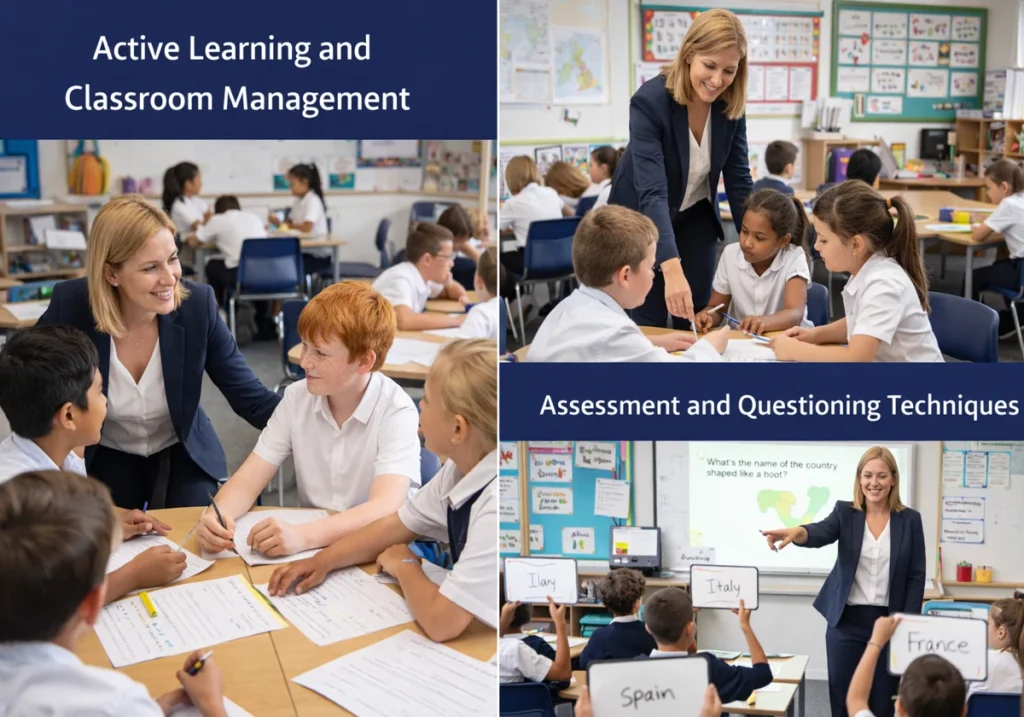
If you’re used to standing at the front and lecturing for 30 minutes, UK classrooms are going to feel quite different. The teaching style centres on active learning and constant student engagement rather than traditional teacher-led instruction. Two things often surprise international teachers: lesson structure and how students’ understanding is checked.
Active Learning and Classroom Management
UK classrooms prioritise student participation over passive listening. That means keeping teacher talk short, about 10-15 minutes, before letting students work independently. This keeps them engaged and lets you circulate, check work, give quick feedback, and redirect students who drift off-task. Standing still for long periods rarely works in UK classrooms.
Assessment and Questioning Techniques
Checking for understanding needs to include everyone, not just the confident students who raise their hands. Techniques like mini-whiteboards or true-false checks let you see who’s actually grasping the content across the entire class.
Directed questioning works a bit differently, too. Instead of asking, “What’s 7 times 8?” and letting students shout out, try saying, “Sarah, what’s 7 times 8?” Then wait for her answer. Saying the student’s name first prevents shouting out and keeps everyone accountable, since anyone could be called on at any moment.
Your Next Steps for Teaching in the UK
Moving to the UK to teach takes more coordination than booking a flight and packing your bags, but the process becomes manageable once you know what to prioritise. Getting your visa sorted, understanding QTS requirements, and choosing the right location all feed into whether your first year feels smooth or chaotic.
The teachers who settle in fastest are the ones who start early. Apply for QTS recognition before you arrive, research housing options from overseas, and connect with expat communities whilst you’re still planning the move.
At The Library Fanatic, we help overseas teachers through the entire UK relocation process, from visa applications to finding the right teaching roles. If you need support making the move, we’re here to guide you through every step.