

Your first parents’ evening in a UK school replaces open conversations with timed appointments. Most slots run five to ten minutes per family. The time limit may feel unfamiliar at first, but you can still have a warm, useful conversation with each family.
Many teachers arriving from abroad find this surprising. Schools elsewhere often let a meeting run until the conversation finishes on its own. At The Library Fanatic, we hear from new arrivals who wish someone had explained the format before the night itself.
Finding that guidance isn’t always easy. Search for parents’ evening UK advice, and most of it’s written for families. To help you prepare, this guide covers how schools book the slots, what to prepare for each child, and how to finish on time politely.
Let’s get into it.
A UK Parents’ Evening Runs on the Clock
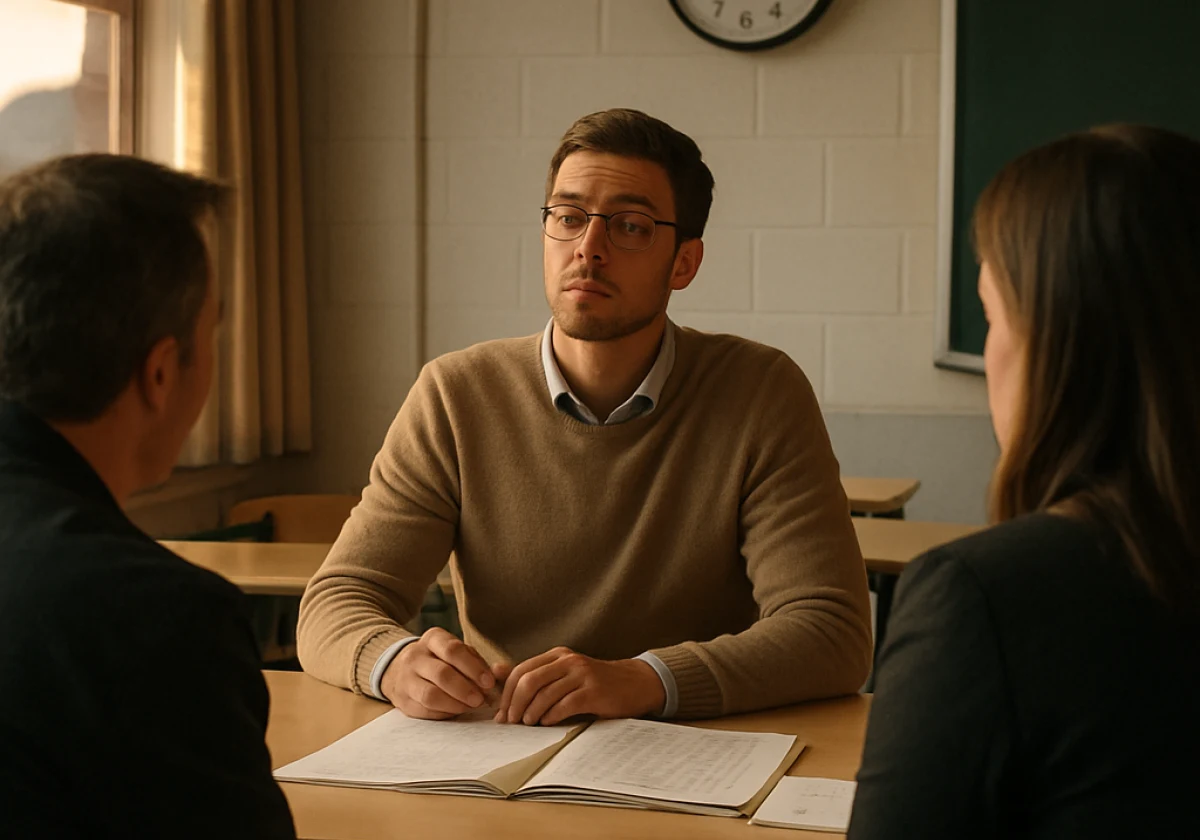
Many overseas teachers walk into their first UK parents’ evening expecting an open chat, but the fixed appointment times can come as a surprise. The format is designed to give every family a chance to speak. It reflects how many families one teacher sees between half four and half seven, on the one opportunity most parents get each term.
To understand the timing better, it helps to look at three parts of the evening.
Appointment Times and Why School Staff Use Them
School staff set fixed appointment times because a secondary school teacher might teach two hundred students and meet forty sets of parents in one evening.
Without fixed slots, the first few families would absorb much of the evening, while everyone else would queue in the corridor. Most schools in England and Wales settle on five minutes, and some primary schools stretch the slot to ten.
How the Evening Schedule Flows
The 4:40 family hovers behind the chair while you’re still finishing at 4:35.
A bell, a screen countdown, or a member of staff walking the hall marks each change. Meanwhile, parents follow their printed appointment schedules and move between tables without being called. The whole event runs to that grid, and a parents’ evening slot ends even if you haven’t finished.
Having worked these evenings in a Sheffield secondary school, we can tell you the rhythm feels odd for twenty minutes and completely ordinary after that.
What Catches Overseas Teachers Off Guard
Small talk catches most newcomers out, as two minutes of pleasantries takes nearly half of a five-minute meeting.
Parents may also ask about school data they have already read on the school website. Progress grades, attendance, and target levels all sit in front of them before they arrive.
With so much to cover in a short time, your first night may feel like speed dating with mark books. The feeling may be even stronger if you trained in an education system built on hour-long conferences.
That reaction is normal.
How Do UK Schools Book Parents’ Evening Appointments Online?

Most UK schools book the appointments online through a school portal, and parents choose their own times. The system your school uses decides how much control teachers have over their appointment schedules and any last-minute changes.
The table below puts the three common approaches side by side.
| Approach | How parents book | How teachers see the schedule | How changes are handled |
|---|---|---|---|
| Online booking system | Parents book appointments from home | Live evening schedule on screen | Parents rebook until the cut-off |
| School office sign-up | Parents phone the school office | Printed list the day before | Office staff edit the sheet |
| Paper slips sent home | Children carry slips back and forth | You build the grid yourself | You rewrite it by hand |
The booking process moved online because it saves admin time (the office no longer needs to field dozens of phone calls). For teachers, the main thing to check is when the booking list closes, as last-minute changes may affect their appointment schedules.
Schools that still use paper booking may have different deadlines, so it’s worth checking with the school office beforehand.
Preparing for Five Minute Meetings With Parents and Carers
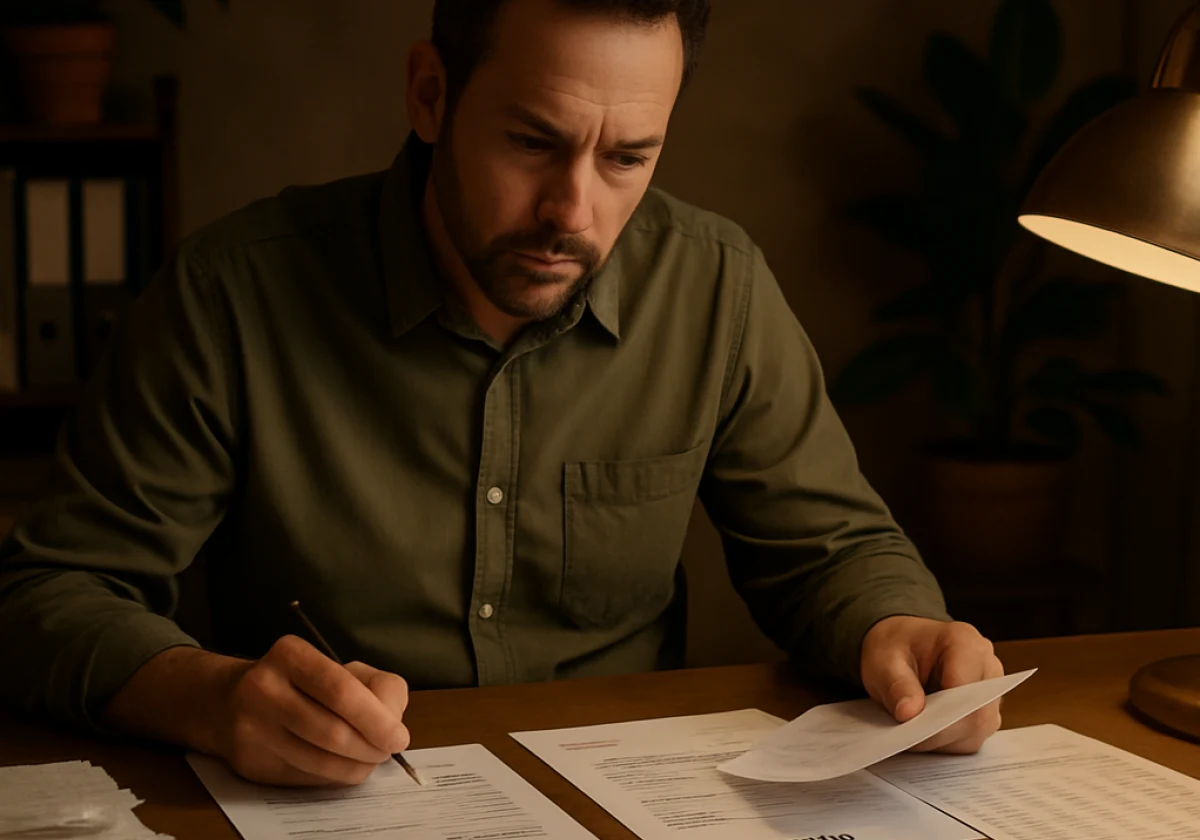
Moving on from booking, preparation does the heavy lifting on the night. Short notes on each child let you give parents and carers clear answers without pausing. That’s especially helpful because five minutes leaves no room to hunt through a mark book.
To help you stay prepared, keep these five things on your desk before the first appointment.
- Student Academic Progress Notes: Two lines per student should be enough. Include their current grade, recent effort, and one piece of work you can refer to during the conversation.
- One Strength and Target: Beyond grades, every child has something worth recognising. For example, if a student writes clear answers but needs to support them with evidence, acknowledge their strength and agree on one area to improve.
- Explaining Data in Plain English: “Working towards Grade 4” may mean little to a parent. So, try “needs more detail in exam answers” to give them a clearer picture of their child’s progress.
- Common Questions From Parents: Expect a few familiar questions about homework, behaviour, and learning support. And if a parent asks about their child’s set placement, a recent example of their work can help explain your answer.
- Closing Appointments on Time: Sometimes, five minutes simply won’t be enough. In those cases, a gentle “Shall we arrange a call to discuss this further?” gives parents another chance to talk without delaying the next appointment.
Keep everything on one sheet per class, as flicking between folders burns the minute you most need. Parents are more likely to remember clear advice than a long list of details.
Parents’ Evenings Go Better When Teaching Staff Keep Every Appointment on Track
With your notes ready, the next thing to focus on is timing. One appointment that overruns by two minutes can leave the last parents waiting outside for half an hour. Running to time is the fairest thing you can do for the families booked at the end.
Signalling the final minute does most of the work for you. A line such as “we have a minute left, so let me give you the main thing to work on” tells parents what’s coming. This gives parents a chance to finish their thoughts.
When a conversation clearly needs longer, offer a phone call or a video call later that week. If they agree, write the time down while the parent is still sitting there. In fact, across three full evenings, we’ve found that almost nobody objects once you offer another time to talk.
Staying consistent helps the staff around you. You’ll find your own closing line within three or four appointments, and schools set up these events expecting that discipline.
Feedback from parents is usually kind about teachers who finish on time. After all, parent communication improves when families and teachers both get the chance to ask questions, and parental engagement grows from meetings that start when they should. In turn, the link between school and home stays intact.
Step Into Your First Parents’ Evening With Confidence
Your first parents’ evening asks you to say less and say it clearly. That’s a skill worth learning, especially when the clock protects every family’s turn, including those booked last.
With that in mind, prepare your notes, run to time, and offer a follow-up call when a conversation deserves one. Teaching in UK schools is full of small rituals like this, and this is one of the friendlier ones. By the end of the night, you’ll head home knowing each family heard something useful about their child and the students beside them.
The Library Fanatic shares practical guidance on teaching in UK schools and UK education. Contact us to find out what else helps in your first year.