
Safeguarding in schools in the UK covers the statutory duties, checks, and terms you need to know before starting your teaching role there. You’ll hear many of these terms during interviews, with the remaining ones introduced during induction week.
Overseas teachers from Canada, Australia, or Hong Kong often face this challenge when they start in UK schools. They already understand how to spot when a child needs help, but unfamiliar terms and reporting routes can make the process feel different.
At The Library Fanatic, we’ve watched this vocabulary gap unsettle confident new starters. To help you feel prepared, this guide covers the safeguarding guidance, primary roles, checks, and reporting steps you will use from day one.
Let’s jump into it.
Safeguarding in Schools UK Starts With Two Pieces of Statutory Guidance

The Office for Standards in Education, Children’s Services and Skills (Ofsted) checks safeguarding as part of every school inspection. To meet these expectations, schools follow clear guidance that sets out how staff should protect children and respond to concerns.
Two main documents form the foundation of this guidance. They explain the duties, roles and processes you will hear about when you start teaching in England.
The need for strong safeguarding support is clear. Department for Education statistics recorded just under 50,000 children in England on a child protection plan in the year to March 2025.
Take a closer look at each document and the terms you will come across in UK schools.
Keeping Children Safe in Education, the Safeguarding Guidance Every Member of Staff Reads
All schools and colleges in England must follow this statutory safeguarding guidance, and the Department for Education updates it each September.
As a new staff member, your headteacher will ask you to sign that you have read Part One. That’s because the section shows how staff spot signs of harm and pass concerns on the same day.
Let’s be honest, reading it once in August won’t stick. Keep the PDF on your phone through your first term, because you will likely refer back to it.
Working Together to Safeguard Children and the Role of Social Care
This second document sets out how schools, health services, the police, and councils share their duties in safeguarding children across England.
Where the first tells your school what to do, this one explains what happens after a referral leaves the building. Children’s social care assesses the child’s situation, decides what support or action is needed, and works with other agencies on the next steps.
For teachers trained abroad, this continued involvement can feel unusual at first. Instead of closing the file, the school keeps a role in the safeguarding process, so you attend meetings and report any change you notice.
The DBS Check Teachers From Overseas Must Pass

A DBS check is a criminal record verification that confirms you can work with children in England (the easiest way to dismiss safeguarding concerns). Your job offer usually stays conditional until the certificate arrives, so it helps to start the process early.
The vetting process includes four main checks for overseas teachers.
- Enhanced DBS with barred list check: Schools need this check for anyone who works with children. It shows cautions, convictions, and any restrictions on working with children.
- Overseas checks and letters of good conduct: If you lived abroad for twelve months or more, the school may ask for a police check or good conduct certificate from that country to cover that period.
- Identity and prohibition checks: Schools must also verify your qualifications, references, and right to work before they confirm anything.
- The DBS Update Service: Registering within 30 days of your certificate date lets your next school check it online instead of starting again.
The sooner you begin the vetting process, the easier it is to keep your teaching plans on track when documents take time to arrive.
Roles and Job Titles: Who Holds Safeguarding Responsibilities in Your School
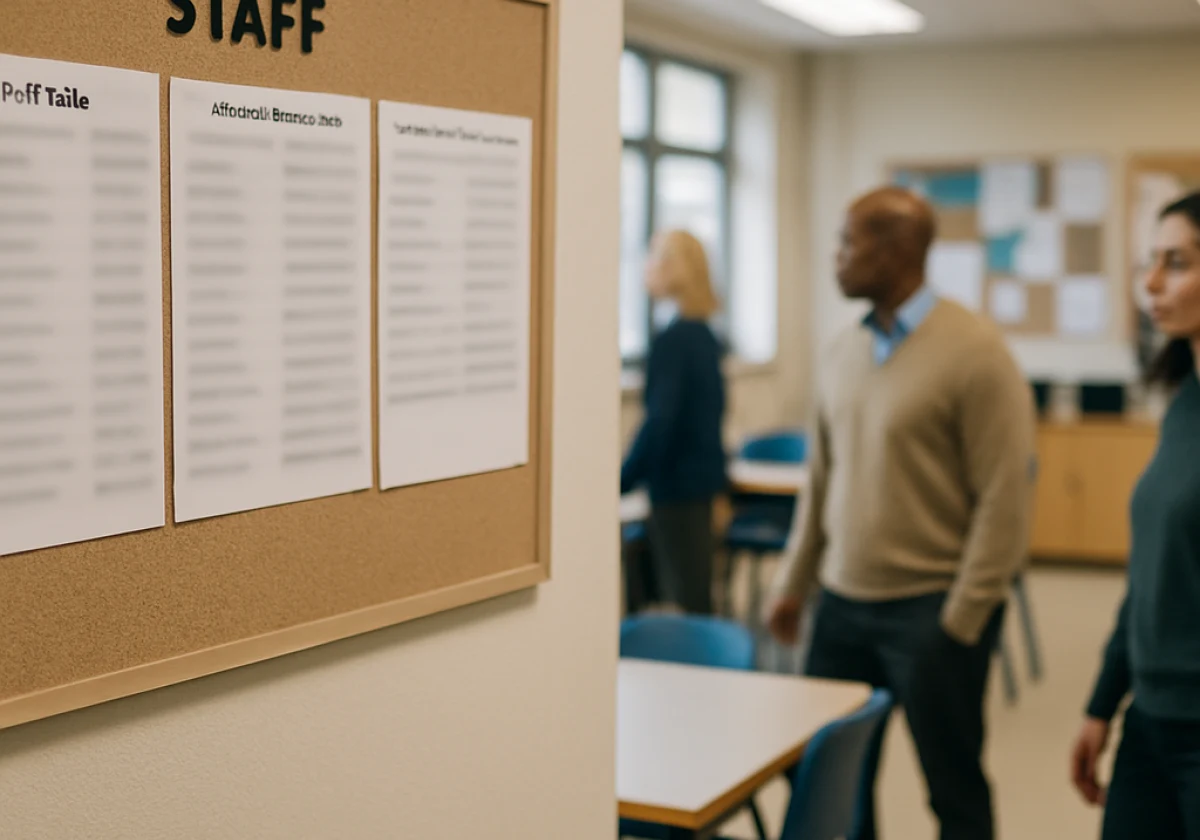
Knowing who to reach out to on day one saves you hesitation when a worry first appears. Every school in England names these people in its safeguarding policies and procedures, then pins the list in the staffroom.
This table explains each role and when to contact them.
| Role | Who holds it | When an overseas teacher contacts them |
|---|---|---|
| Designated safeguarding lead (DSL) | A senior leader with extra training | Any worry about a pupil, on the day it appears |
| Deputy DSL | A second trained leader | When the DSL teaches, sits in meetings or takes leave |
| Headteacher | The school’s head | An allegation involving another member of staff |
| Safeguarding governor | A governing body member | Questions about child protection policies, records or induction gaps |
| Local authority designated officer (LADO) | A council officer, often in your London borough | When the allegation involves the headteacher |
Remember, your role is to report what you see and hear. Trying to look into it alone, even with good intentions, can affect the evidence and make a child repeat a difficult experience.
Recognising Child Abuse and Reporting Concerns While Teaching in England
A clear understanding of harm helps you recognise when a concern needs action. UK safeguarding guidance uses four main categories to describe harm: physical abuse, emotional abuse, sexual abuse and neglect. Among these, schools see neglect most often.
Alongside these categories, schools also ask teachers and school staff to watch for specific risks. Female genital mutilation carries a legal duty to tell the police directly, while child sexual exploitation and radicalisation fall under the Prevent duty. Sudden changes in a child’s mood can also point to problems at home.
However, not every concern leads straight to a referral. Early help connects children and families with support before problems grow, and your school can request it through the local authority. Information sharing rules allow you to pass on details without consent when a child faces risk, so data protection doesn’t stop you from raising a concern.
If a child starts to tell you something, the golden rules are short. Listen, don’t promise secrecy, don’t ask leading questions, and write down their exact words rather than your own summary.
Ready for Your First UK Classroom: Safeguarding Pupils From Day One
England’s system runs on shared language, clear routes and people who expect you to speak up early. Learn how safeguarding in schools in the UK works once, and the terms stop feeling foreign by half term.
Read Part One before induction and save your DSL’s name and extension in your phone. You can also skim your school’s safeguarding policy and ask how the reporting process works. A little preparation before your first day can make the system feel much easier to follow.
The Library Fanatic team supports overseas teachers moving into UK schools with practical resources for induction and classroom life. These guides also help teachers build confidence in their professional development.
Get in touch to find resources that help you prepare for your first role.