

Overseas teachers usually face seven lessons in a new classroom. Classroom norms differ, lessons need adapting and language gaps affect both sides of the desk. Trust, grades, culture shock and personal growth also work differently from home, and most of these lessons begin during the first term.
Even teachers with years of experience and a TEFL qualification can feel unprepared for these changes. At The Library Fanatic, we hear similar stories from readers teaching in Spain, Japan, South Korea and South Africa. Their surprises range from seating plans to exam pressure.
The list below explains each lesson before your first week begins, so your teaching abroad experience starts with fewer shocks. Each section also gives you a practical step to try in your new school.
1. Classroom Norms: What Feels Normal at Home Can Confuse Students Abroad
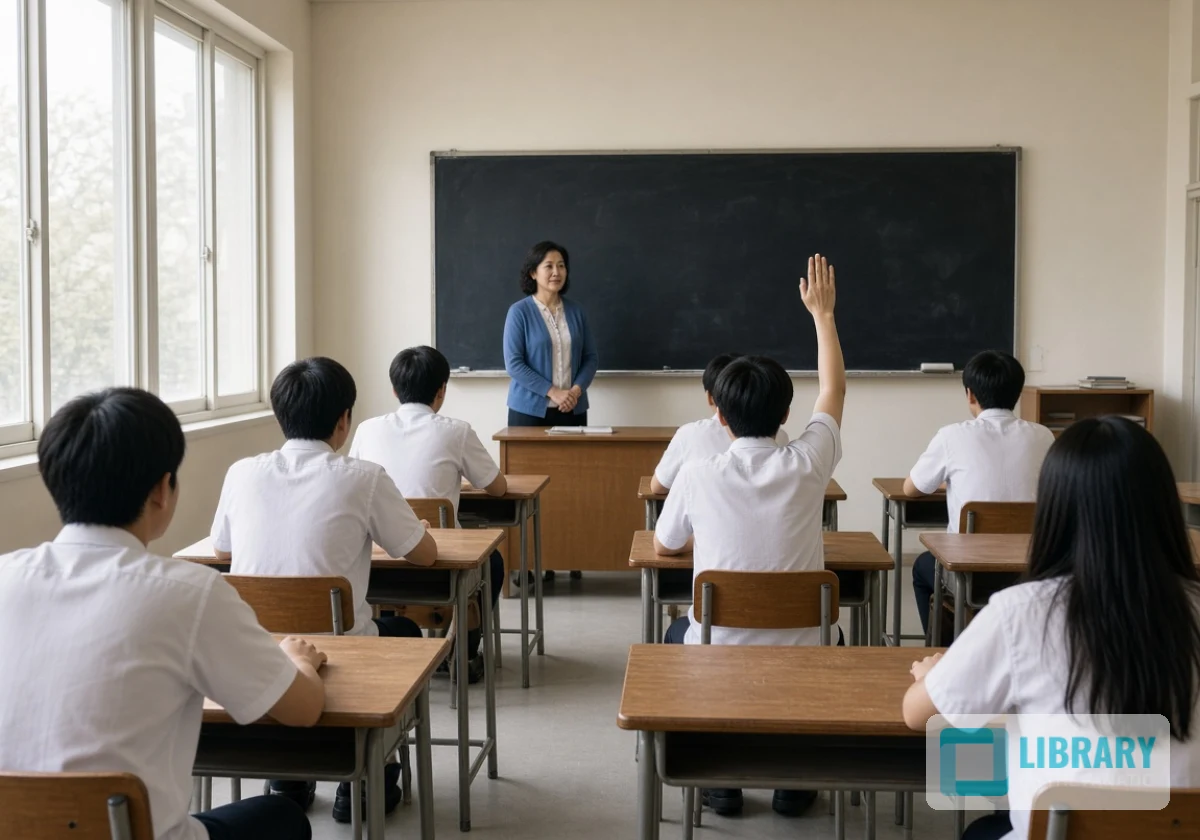
When a whole class stands up the first time you walk in, you realise nobody briefed you on the local rules. Unwritten rules guide how students listen, answer questions and show respect to teachers. Learning them early saves you weeks of mixed signals with your class.
Silence and seating are the two norms that catch most new arrivals off guard.
Why Silence Doesn’t Always Mean Students Are Bored
In many East Asian and Middle Eastern classrooms, a quiet room usually signals respect for the teacher. Students often wait for you to invite them by name before they answer. Speaking up uninvited can seem rude to their classmates, so many learners hold back even when they know the answer.
This means you may need to adjust how you encourage class participation. Give the class a longer pause after each question (try counting to ten in your head before you rephrase). Calling on students by name also helps quieter learners join in without feeling exposed.
Seating, Greetings and Who Speaks First
The physical setup of a room carries meaning too. In many schools, desks still sit in rows facing the front, and students link that layout with serious learning. In our experience, teachers who move desks into groups on day one often leave students unsure what the lesson expects.
Greetings follow similar rules. Students may expect you to speak first, and they may bow, nod or stand in reply. Watch how local colleagues start a lesson during your first week, then copy their routine before you add your own.
2. Why Does a Lesson That Worked at Home Fall Flat Overseas?
A lesson that worked at home often falls flat overseas because its examples, humour and references mean little to the new class. You’ll know the feeling when your best joke about the school run gets blank stares.
Most lesson plans recover with a few quick swaps:
- Local Examples: Football clubs, festivals and foods from the host country make maths problems feel familiar straight away. Reading tasks also land better when the setting matches students’ daily lives. Ask a local colleague for two or three examples before you plan your first unit.
- Simpler Humour: Visual jokes and gentle surprises travel well across cultures. Wordplay rarely survives a language gap, so save puns for later in the year. Test one light joke per lesson and watch how the class reacts.
- Shared Media: Students often bond over the same shows, games and apps. Ask them which ones they use during your first week. Build short warm-up activities around their answers to win early attention.
Keep your learning aims the same and adjust only the examples around them. Students can then put their full attention on the skill itself.
3. Language Gaps Shape Every Part of the Teaching Abroad Experience

A language gap has one clear upside, because your instructions become clearer for every learner in the room. Short sentences, gestures and modelled examples help strong students too. Nobody wastes time guessing what a task asks, and you start checking understanding more often.
The gap affects you as well. You’ll miss jokes, side comments and some parent messages, so keep a translation app open on your phone. Students may also nod politely when they’re lost. Asking them to show you an answer gives you honest information within seconds, while a simple “Do you understand?” rarely does.
4. Building Trust With Parents and Colleagues Takes a Different Route
Picture sending a polite email to a parent and hearing nothing back for three weeks. In many countries, families build trust through face-to-face contact and official school channels. Inbox messages often go unread, especially when they come from a new teacher.
The habits below help you earn trust with families and staff faster:
- Use Official Channels: Most schools run a parent app or messaging service. Families check these daily, while personal email can sit unread for weeks. Ask your head of department which channel to use before you send anything.
- Meet in Person: Brief chats at pick-up time or parents’ evenings build goodwill quickly. A two-minute conversation often settles a question that a long email would leave open. Learn a short greeting in the local language to open each chat.
- Follow Local Hierarchy: Senior staff often expect to hear new ideas privately before a meeting. Sharing a proposal in front of the whole team can look like you skipped them. Book a short catch-up with your line manager whenever you want to suggest a change.
Start small and keep your contact consistent. Most new teachers notice parents and colleagues warming up by the end of the first term.
5. Assessment and Expectations: Grades Mean Different Things in a National Curriculum You Didn’t Train In
Grades only make sense to students when you mark against the local scale. A national curriculum often has its own grade bands, exam boards and family expectations. Few of them match the system you trained in at home. Once you learn how families read marks, your feedback will land better, and students will argue less over each point.
Grade scales and homework pressure both affect how students react to every mark you give.
How a B Grade Reads to Families in Different Countries
In the United States, a B grade usually counts as a solid result. Families in South Korea or Singapore may see the same grade as a warning sign, because entrance exams reward near-perfect scores. We’ve seen teachers lose a parent’s trust over a single B when nobody explained the local scale.
So read your school’s grade descriptors before you mark the first piece of work. Ask a colleague to check your first batch of marks against theirs, too.
Exams, Homework Loads and the Pressure Students Carry
Students in high-demand systems often attend private tutoring after a full school day. In South Korea, many teenagers spend their evenings at cram schools called hagwons, with some returning home close to 10 pm. Your homework task may therefore compete with three or four others each night.
Ask colleagues about typical weekly loads before you set anything. Students are more likely to finish short tasks that work within those limits. Finished tasks also give you better evidence of learning.
6. Why Does Culture Shock Hit Hardest Around Month Three?

Culture shock usually hits hardest around month three, when the novelty has worn off but daily life still takes extra effort. Buying a train ticket, booking a doctor’s appointment, or opening a bank account can still feel slow. Meanwhile, the excitement that carried you through the first weeks has faded. Many overseas teachers notice tiredness, irritation or homesickness creeping into their lessons around the same time.
The dip is normal, and it usually passes. A weekly routine with one familiar habit, such as a Sunday roast or an online football match, gives your week an anchor. Ask yourself, “Which evening in my schedule can I keep free for rest?” Many schools also offer staff wellbeing support or an employee helpline. Check what your contract includes and contact the service early, before small worries build up.
7. The Best Teacher Development Happens Well Outside Your Comfort Zone
Once the hardest months pass, look back at what the year has added to your practice. Many overseas teachers say a single year in international education builds skills their home training never covered. Those gains feed straight into your long-term teacher development.
Three gains appear again and again when teachers reflect on their year:
- Sharper Classroom Instincts: Months of teaching without full language support train you to read body language quickly. You learn to spot confusion and adjust a lesson mid-flow. Note two moments each term when a quick change saved a lesson.
- Wider Teaching Toolkit: Mixed abilities, new exam systems and limited resources push you to try unfamiliar methods. Some of them will work better than your old favourites. Keep a short log of each new method and how students responded.
- Stronger CV: International experience shows employers you can adapt to new systems and cultures. Schools hiring for international or leadership roles often look for that evidence. Demand stays high too, with UNESCO estimating the world needs 44 million more teachers by 2030.
Write these gains down while they’re fresh. Your notes will give you concrete examples for interviews and show how far your practice has come.
Ready to Make Your Own Classroom Abroad Work?
Teaching in a new country tests every habit you bring with you. Teachers who settle best expect surprises and adjust while keeping their own teaching style.
Before you fly, read up on your host country’s school system and pack a few trusted resources. During your first weeks, ask colleagues questions early and give yourself a full term to adapt. Each awkward moment will teach you something you can use in class.
The Library Fanatic shares reading guides, teaching resources and practical advice for overseas teachers. Contact us to find the right books for your move and start your year with confidence.