
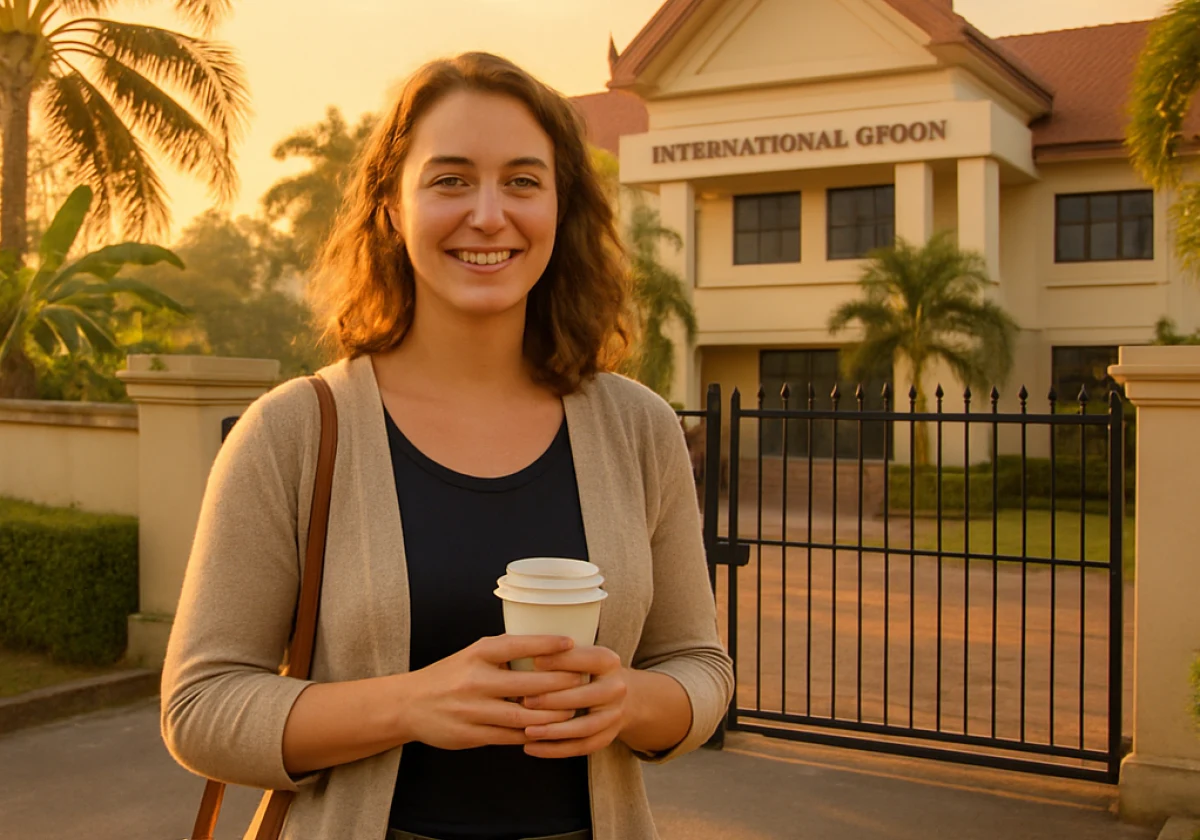
Teachers working abroad notice differences in classroom culture, daily routines, teaching materials, and social life during their first week. They also face new challenges with money, friendships, and career plans within the first fortnight.
These changes can catch new teachers off guard, especially when classroom life differs from what they expected. At The Library Fanatic, we share practical insights into teaching abroad, including everyday experiences that job descriptions and travel guides rarely cover.
This guide covers eight everyday differences that can affect your teaching experience abroad. You’ll learn how lesson materials, salaries, and other practical details influence your daily life from day one.
Have a read, then tell us which differences surprised you most.
1. Classroom Culture: Students Treat Their Teachers Very Differently Abroad

Classroom greetings can feel unfamiliar when you first start teaching abroad. Some students bow, salute, or hug their teachers, depending on local customs. Through our conversations with teachers overseas, we’ve learnt how differently students show respect across cultures.
Watch out for these unfamiliar habits during your first weeks abroad:
- Formal Greetings: In Japan, South Korea and Thailand, students may bow, stand or greet their teacher together at the start of a lesson.
- Quiet Classrooms: Students may hesitate to speak up or correct their teacher, so pair work can help them feel more comfortable sharing answers.
- Status Outside School: Outside school, some parents may invite foreign English teachers to family meals, offer them lifts, or include them in local celebrations.
Verdict: New teachers can learn a lot by observing local teachers during their first two weeks before adjusting their own teaching style.
2. Why Does Teaching English Feel So Different Overseas?
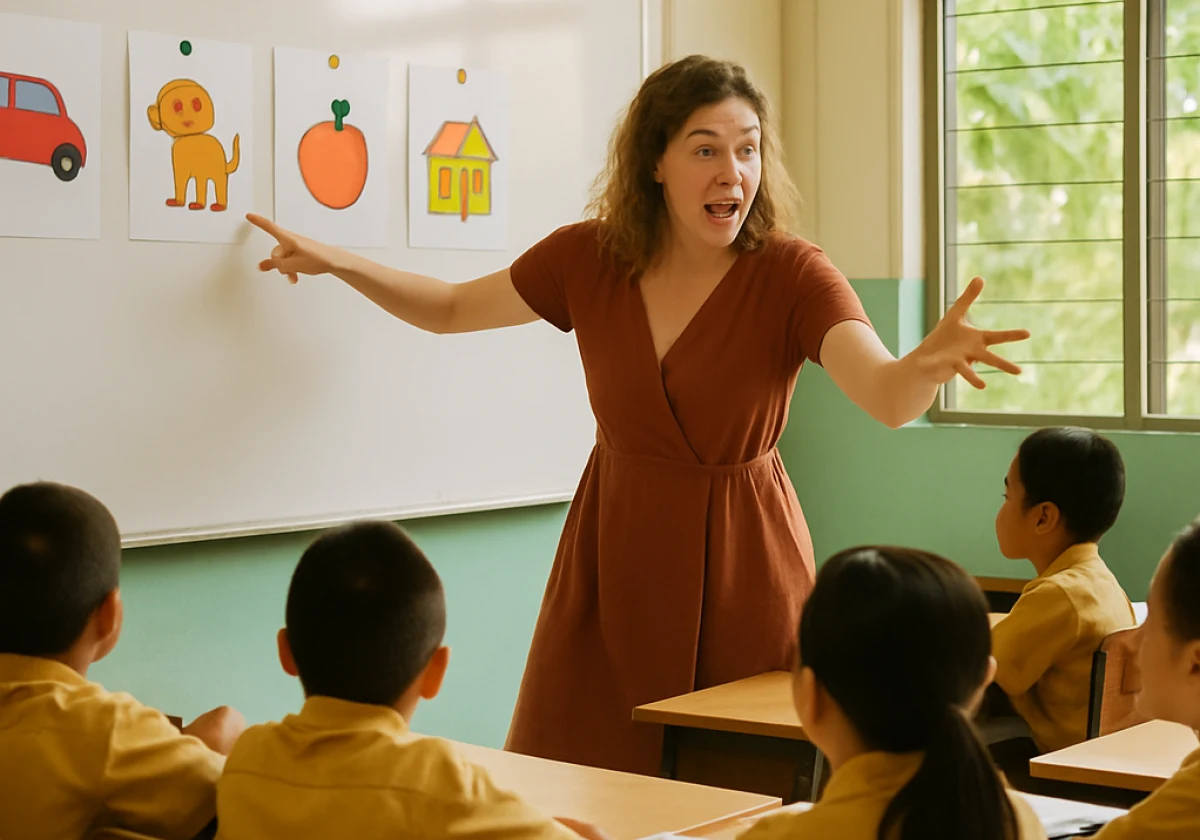
As an ESL teacher abroad, you’ll face different classroom expectations and language barriers. You’re teaching ESL to learners who share almost no words with you, so you show things rather than explain them.
Communication difficulties may lead you to use more pictures, gestures, and repetition during lessons. These methods work better than long written instructions (a simple gesture often says enough). Lessons also move more slowly, which means you may cover less material than you would at home.
Despite these classroom challenges, English teaching opportunities remain widespread. According to the British Council, around 2.3 billion people speak English worldwide. You can find work in state schools, private academies, and online platforms.
However, teaching expectations can differ across schools and countries. Some parents and head teachers focus more on exam results than creative teaching methods.
3. Daily Routines: How Teacher Lifestyle Changes Once You Move

Your daily routine can also change when you start teaching abroad. Longer lunch breaks, later starts and different public holidays may take some getting used to. Over time, these changes become a normal part of your week.
Here are three changes you may notice in your daily school routine abroad:
- Later School Starts: Some schools start lessons later in the morning and finish in the early evening. This schedule gives teachers extra time to plan before class.
- Long Midday Breaks: In some Spanish schools, lunch breaks can last over 90 minutes. Meanwhile, certain schools in Asia allow teachers time to rest during the school day.
- Weekends Built for Travel: Affordable regional flights can make weekend trips to nearby countries easier. You may even have time to explore a new destination before returning to work on Monday.
Set aside one evening each week for yourself. If you take on too many activities, you may feel exhausted by your second term.
4. Materials: Swapping Familiar Textbooks for Shared Articles and Lesson Planning
When you start teaching English abroad, you may not have access to textbooks, printers or other classroom resources. That’s why it’s helpful to bring a USB stick with your lesson plans and a folder of printable teaching materials.
The table below compares the teaching resources you may have at home and abroad:
| Back home | Working abroad |
|---|---|
| Set textbook for every year group | Shared articles, worksheets and songs |
| School printer and photocopier | One laptop, a projector and a whiteboard |
| Department scheme of work | Lesson planning swapped in staff chat groups |
| Ready-made assessment packs | Tests and quizzes you write yourself |
Summary: A teaching resource folder can save you planning time. Build yours during your first month abroad, and you’ll have materials ready to reuse.
5. Meeting New People Takes More Effort and Gives Back More
You may find it easier to make friends when you teach abroad, especially if other teachers are also new to the area. For example, a casual coffee with your colleagues can soon lead to weekend plans and lasting friendships.
However, these friendships can be difficult to maintain when teaching contracts end. Many teachers return home at the end of the school year (the goodbyes get easier, though they never get easy). Still, you may build friendships that give you places to stay in different parts of the world.
Your local colleagues can also help you understand the culture and customs of your new home. They may introduce you to local markets, family traditions, and celebrations. These personal experiences can teach you about everyday life in ways that your classroom experience can’t.
6. How Do Living Costs and Salaries Compare When You Work Abroad?
The salary and living costs are important factors to consider when teaching abroad. A lower salary may still cover your expenses comfortably in countries with a lower cost of living. Some teaching programmes even offer benefits like accommodation or paid flights.
Compare a few popular destinations side by side before you judge any single offer:
| Country | Typical monthly pay | Usual extras |
|---|---|---|
| South Korea | £1,500 to £2,000 | Free flat, flights, end-of-contract bonus |
| Spain | £900 to £1,300 | Long holidays, low rent outside Madrid |
| Vietnam | £1,100 to £1,600 | Very low daily costs, savings possible |
| United Arab Emirates | £2,500 to £3,500 | Tax-free pay, housing allowance |
In short, look closely at your salary and living costs when you assess a teaching offer abroad. Then work out how much money you’ll have left each month after covering your expenses.
7. Career Growth: What International Teaching Adds That a Job Back Home Can’t
A single year of international teaching changes how schools back home read your CV, and it can reset a whole teaching career. We’ve sat in interviews where the head teacher skipped the first page and asked only about the overseas section.
These career gains come up again and again when teachers return and start applying:
- Proof You Adapt: When you teach in a different culture, you gain practical experience that shows future employers how well you can adapt.
- A Wider Subject Range: At smaller schools, you may teach phonics, prepare students for exams, and lead after-school clubs. These different responsibilities can help you gain experience across several areas of teaching.
- Doors Into Global Education: Your experience teaching abroad can show recruiters that you’re comfortable working in different school environments. This may improve your chances of finding teaching roles at international schools.
Over time, the experience you gain through a full teaching contract abroad can strengthen your CV. It also shows future employers that you can manage lessons and adapt to different school environments.
8. Veteran Teachers in Global Education Keep Passing On the Same Practical Tips
Once you’ve seen these differences for yourself, you’ll understand why experienced teachers place so much importance on preparation. Their advice often comes from years of teaching in different countries and dealing with unfamiliar classroom situations.
With their advice in mind, start by arranging your TEFL certificate and criminal record check before you apply. Schools may process applications quickly, while visa paperwork can take longer.
You’ll also find many teaching programmes online, so ask experienced teachers for recommendations before choosing one.
And it’s a good idea to apply early, as many schools recruit between January and March for an August start. We recommend keeping a few online teaching hours each week between contracts. That way, you can maintain some income while you look for your next role (even a short gap can drain your savings).
Share Your Teaching Abroad Experience
Teaching English abroad can change your daily life in ways you may not expect. Along the way, you’ll gain valuable experiences and have plenty of stories to share.
Your experiences could help other readers decide if teaching abroad is right for them. So, share the difference that surprised you most in the comments. And if you have any questions, feel free to ask us there too.
The Library Fanatic shares honest guides and reading lists for teachers heading overseas. Contact us to suggest a topic and help us plan the next post.