

Cover lessons in UK schools come down to one simple idea: you follow the school’s own systems rather than your personal habits. You’ll often walk into a room with a lesson plan someone else wrote, for a class you’ve never met. So some school cover work expectations, like the register, behaviour policy and handover note, often surprise overseas teachers new to the United Kingdom.
That’s why your preparation looks different here. At The Library Fanatic, we write for teachers moving to the UK. Our guides help overseas teachers prepare for unfamiliar school routines and classroom expectations.
To help you prepare for your first lesson, this guide explains the five duties of a cover teacher. It also covers how supply teaching, cover supervision and internal cover differ. It ends with a kit list for your first week
Let’s take a closer look.
A UK Cover Lesson Is Rarely the Subject You Trained to Teach
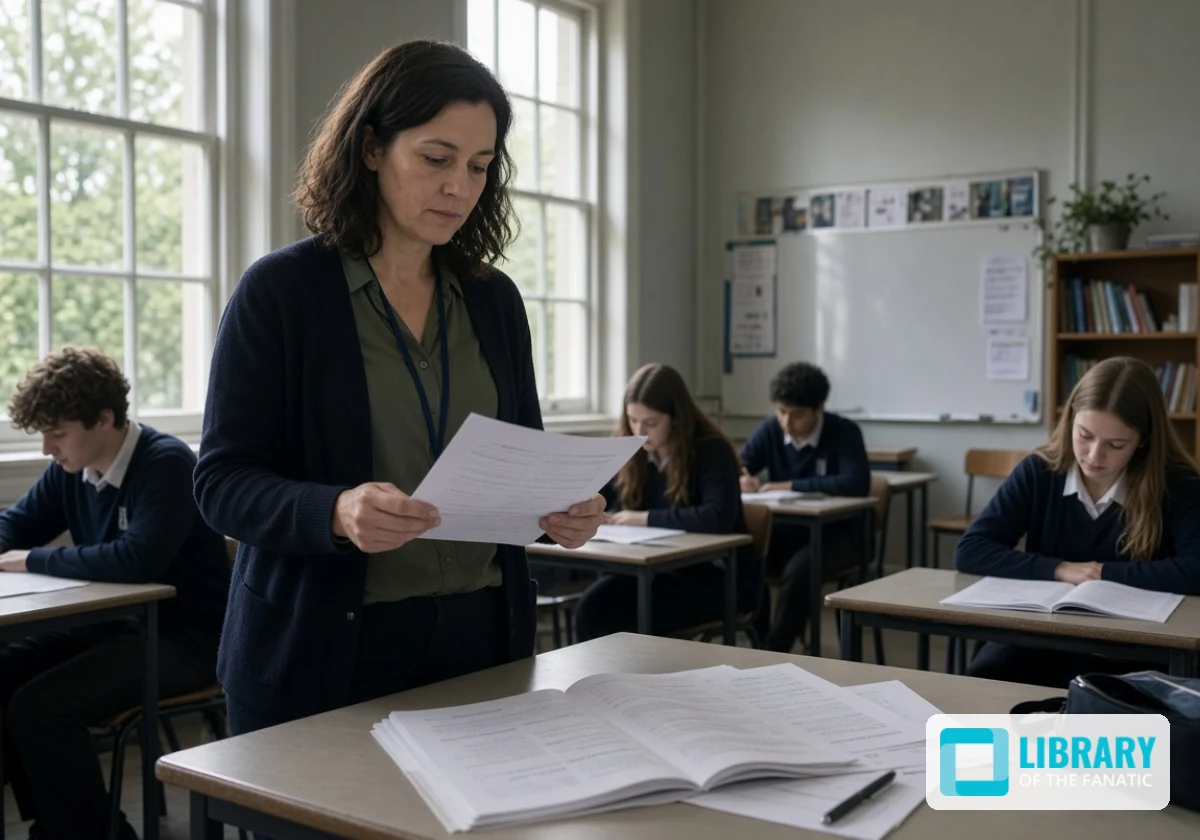
Many cover bookings place you outside your specialism. For example, a maths teacher might spend Tuesday morning running a Year 8 English lesson. That’s because schools arrange cover based on staff availability rather than subject expertise.
According to the DfE school workforce statistics on teacher absence, 61.8% of teachers in England took sickness absence in the 2024/25 academic year. Each affected teacher took an average of 8.1 sick days. These gaps leave schools needing cover staff who are comfortable switching between subjects. In practice, that could mean primary school phonics one day and GCSE science revision the next.
Even when you cover an unfamiliar subject, you’re rarely expected to teach new content from scratch. Absent teachers usually leave lesson plans, worksheets, slides or quizzes based on the National Curriculum. Your job is to guide pupils through the set work and help them review the main topics.
Unfamiliar school terminology often causes confusion before the lesson even starts, though. Terms like “KS3”, “form tutor” and “SENCo” (the special educational needs coordinator) carry specific meanings in UK schools. If these key terms are new to you, our glossary of UK school terms explains them in plain English.
You may also need time to adjust to UK year groups if your home country uses grades.
What Are a Cover Teacher’s Responsibilities in a UK School?
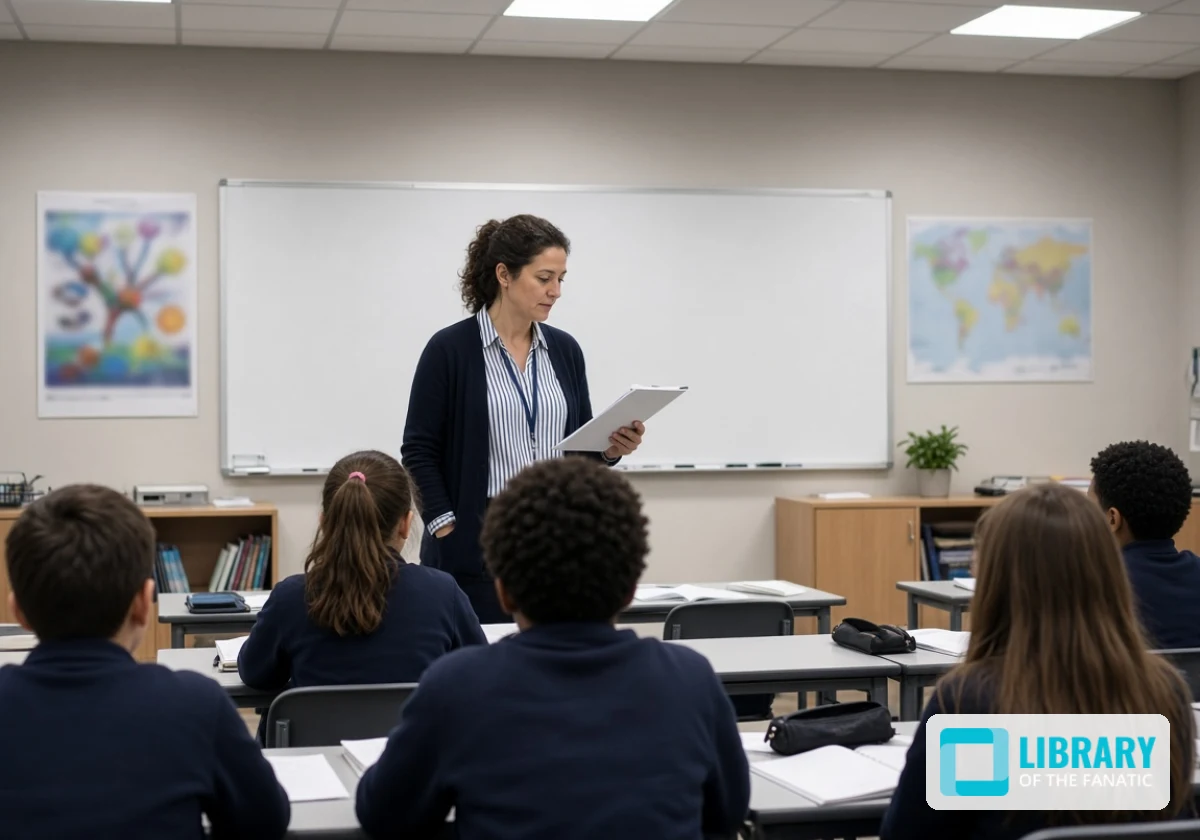
As a cover teacher, you’re responsible for taking the register and delivering set work. You must also manage behaviour, keep pupils safe and leave a handover note. These teacher cover responsibilities in UK schools apply throughout each lesson you supervise.
Let’s go through each duty in order.
1. Taking the Register Within the First Few Minutes
Schools expect you to take the register within the first few minutes, usually through SIMS or Arbor. An early register helps office staff spot missing pupils quickly.
An incorrect absence mark could lead to an unnecessary call home or a search of the school grounds. To avoid confusion, mark late arrivals with the correct code and ask a neighbouring teacher for help if your login fails.
The seating plan is useful during registration, too. Pupils sometimes swap seats to test a new teacher, so match each name to the pupil’s assigned seat.
2. Delivering the Cover Work as It Was Set
The seating plan is useful during registration, too. Pupils sometimes swap seats to test a new teacher, so match each name to the pupil’s assigned seat.
That said, you can add structure around the work. A quick starter based on the lesson objectives helps pupils review key concepts without changing the teacher’s original lesson plans. For example, a short quiz on Maths and English gives pupils a chance to recall earlier topics.
Even with a clear lesson plan, some pupils may finish their work early. In that case, check the cover folder for extension tasks. Then note in your handover which tasks pupils finished early (to help the teacher plan the next lesson).
3. Managing Behaviour Through the School’s Own Policy
Every UK school has their own behaviour policies, and you’re expected to follow them when dealing with disruptive pupils. Many schools use a series of warnings before issuing a sanction or calling a designated staff member for support. Teaching assistants and other staff can help you understand the school’s approach.
Alongside their advice, ask reception for a copy of the policy before your first lesson. With the written rules to hand, you can refer to them when addressing disruptions so pupils know what you expect of them.
Don’t forget to log every sanction you give and briefly note what led to it. These details help the class teacher address any incidents when they return.
4. Keeping Pupils Safe From the Moment They Walk In
Safeguarding means protecting pupils from harm. When you sign in, find out the name and office location of the school’s designated safeguarding lead (DSL).
You’ll need these details if a safeguarding concern arises during your lesson. The Keeping children safe in education overview for staff instructs staff in England to report concerns to the DSL or their deputy without delay.
Also, never promise a pupil you’ll keep a secret. Write down their exact words and pass the note to the DSL the same day.
5. Leaving a Clear Handover Note for the Absent Teacher
Your handover note tells the absent teacher what happened while they were away. Since they weren’t in the room, they rely on you to record the work completed, pupils who did well, any incidents you logged and anything left unfinished.
A clear handover helps the returning teacher plan their next lesson. It also gives the head of department a record of how you managed the class.
Keep your note short and factual, and double-check the spelling of each pupil’s name. Before you leave, submit the note to the teacher and cover manager through the school’s approved handover process.
Cover Lesson Types: How Supply Teaching, Cover Supervision and Internal Cover Compare
Your daily responsibilities depend on the type of cover role you take. UK schools use three main cover arrangements: supply teaching, cover supervision, and internal cover.
Each route works differently in practice, as the table shows.
| Role | Who Does It | What You Do | What It Means For You |
|---|---|---|---|
| Supply teaching | Supply teachers booked by an agency or the school | Teach the planned lesson, explain content and mark work | You’ll need QTS or a recognised equivalent |
| Cover supervision | A cover supervisor, often from the support staff | Supervise set work without teaching new content | Schools usually pay this on a support staff scale |
| Internal cover | The school’s own teachers in free periods | Cover a colleague’s class for short absences | You’ll only meet it once you hold a permanent post |
Before accepting a placement, confirm your duties, pay rate and required qualifications with the school or agency. Job titles alone don’t always tell you what the school expects.
Preparing for Your First Week of Cover Work in a UK Classroom

Your first day usually feels hardest because every routine is new at once. For example, bells, lining up outside the room, and pupils calling you “Miss” or “Sir” can all feel strange if you’ve come from Australia or South Africa.
These routines become familiar after a few days at the same school. In the meantime, you can make your first day easier by packing these five items:
- Identification Documents: Carry your photo ID and DBS certificate (Disclosure and Barring Service check) in your bag. Reception staff may ask to see them when you arrive.
- Classroom Supplies: A few pens, whiteboard markers and sticky notes will come in handy during lessons. Keep them in an easy-to-reach pocket of your bag.
- School Bell Times: Ask reception for a printed timetable when you arrive. Keep it nearby so you know when to dismiss each class.
- Spare Activities: Prepare two short activities for different year groups, like vocabulary quizzes or word puzzles. Keep them ready for pupils who finish their set work early.
- Handover Template: Your notes don’t need to be lengthy. A simple template with spaces for completed work, incidents and unfinished tasks will help you record the lesson before you leave.
Keep your supplies together in one bag so you’re ready when an early booking call comes. A well-stocked bag saves you from searching for supplies or borrowing them during a lesson.
Ready to Take Your First UK Teaching Assignment?
Cover lessons in UK schools go well when you follow the school’s systems rather than your own habits. The register, set work, behaviour policy, and handover note carry most of that load.
Start by asking each school for its behaviour policy and safeguarding contact. Then build a short kit so every booking starts calmly, and keep a note of what each school does differently.
Planning your move into UK teaching takes preparation. Contact The Library Fanatic for guidance on teacher training, teaching qualifications and classroom expectations across England and Wales.