
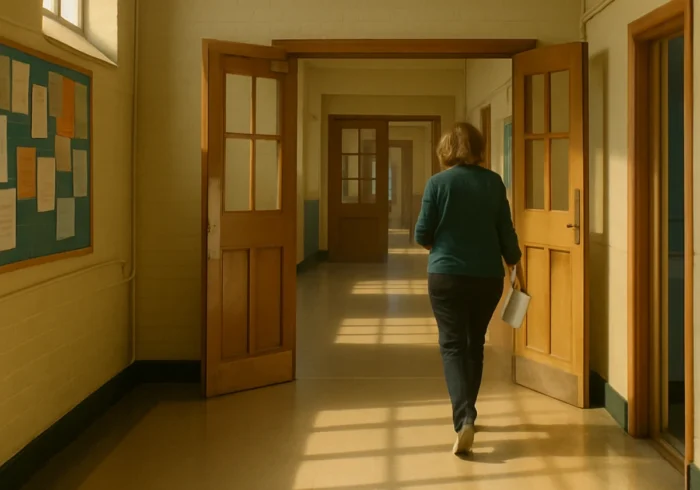
As an overseas teacher, you’ll hear unfamiliar words almost from your first day in a UK school. Key stages, SATs, safeguarding and dozens of other terms can come up, often without any explanation.
You can usually work out the meaning from context, but that only gets you so far. Some of these terms describe how the school day works, while others relate to your responsibilities, pupils or the support available to you. Knowing them before they come up makes those first few weeks much easier to manage.
This guide covers the UK school terms you’re most likely to hear in your first month, including school types, year groups, daily routines, assessment and safeguarding.
The UK School Terms You’ll Hear First

UK schools use a mix of terms for year groups, curriculum stages, assessments and staff responsibilities. Many are familiar to British teachers but can leave an overseas teacher quietly piecing together the meaning during a briefing.
These are the three groups of terms you’re likely to encounter first.
Key Stages, the Reception Year and the National Curriculum
A key stage is a broad phase of a child’s education in England. There are four key stages in compulsory schooling, covering Years 1 to 11. Before Key Stage 1, children usually start Reception at four or five. The table shows how Reception and the four key stages line up with school years and typical ages.
| Stage | School year | Typical age |
|---|---|---|
| Reception | Reception | 4–5 |
| Key Stage 1 | Years 1–2 | 5–7 |
| Key Stage 2 | Years 3–6 | 7–11 |
| Key Stage 3 | Years 7–9 | 11–14 |
| Key Stage 4 | Years 10–11 | 14–16 |
The national curriculum sits alongside these stages. It sets out the subjects and content pupils should be taught in maintained schools in England, with different programmes of study applying at different key stages. So when a colleague says a lesson or resource is suitable for Key Stage 2, they are referring to pupils in Years 3 to 6, rather than naming a particular subject or qualification.
Key Stage 4 is where things change slightly. Pupils are usually working towards their GCSEs, which are qualifications rather than a key stage themselves. After Year 11, pupils can move into sixth form or further education, where you’ll hear Key Stage 5 used for Years 12 and 13 in some contexts.
Pupils, Year Groups and the School Vocabulary for Children
We’ve seen overseas teachers pause when someone says “Year 6 pupils” or refers to “students” in the same conversation. In UK schools, those words can carry slightly different meanings.
In primary and secondary schools, pupil is the more common term for children and young people. Student is more often used in further and higher education, although schools may use both depending on context.
So when a colleague says they teach Year 6, they mean pupils in that specific school year, typically aged 10 to 11. You can use the year group to quickly understand who they are talking about, even before you know the class.
Ofsted, SATs and Other UK Teacher Terms You Hear Daily
Some UK school terms appear so often that you’ll quickly stop noticing them. Ofsted and SATs are two good examples.
Ofsted is the body responsible for inspecting education and care services in England, so you’ll hear it in conversations about inspections, standards and school performance. SATs, meanwhile, refer to national curriculum assessments taken by pupils in primary school and often come up when teachers discuss assessment or Year 6.
You’ll also come across acronyms such as:
- SEND for special educational needs and disabilities
- QTS for qualified teacher status
- DfE for the Department for Education
- EAL for English as an additional language
Fortunately, you don’t need to memorise all of these in your first week. Start with the ones that come up in your own teaching and conversations about your pupils. The rest will become easier to recognise as you encounter them in context.
School Types You’ll Hear About in the UK
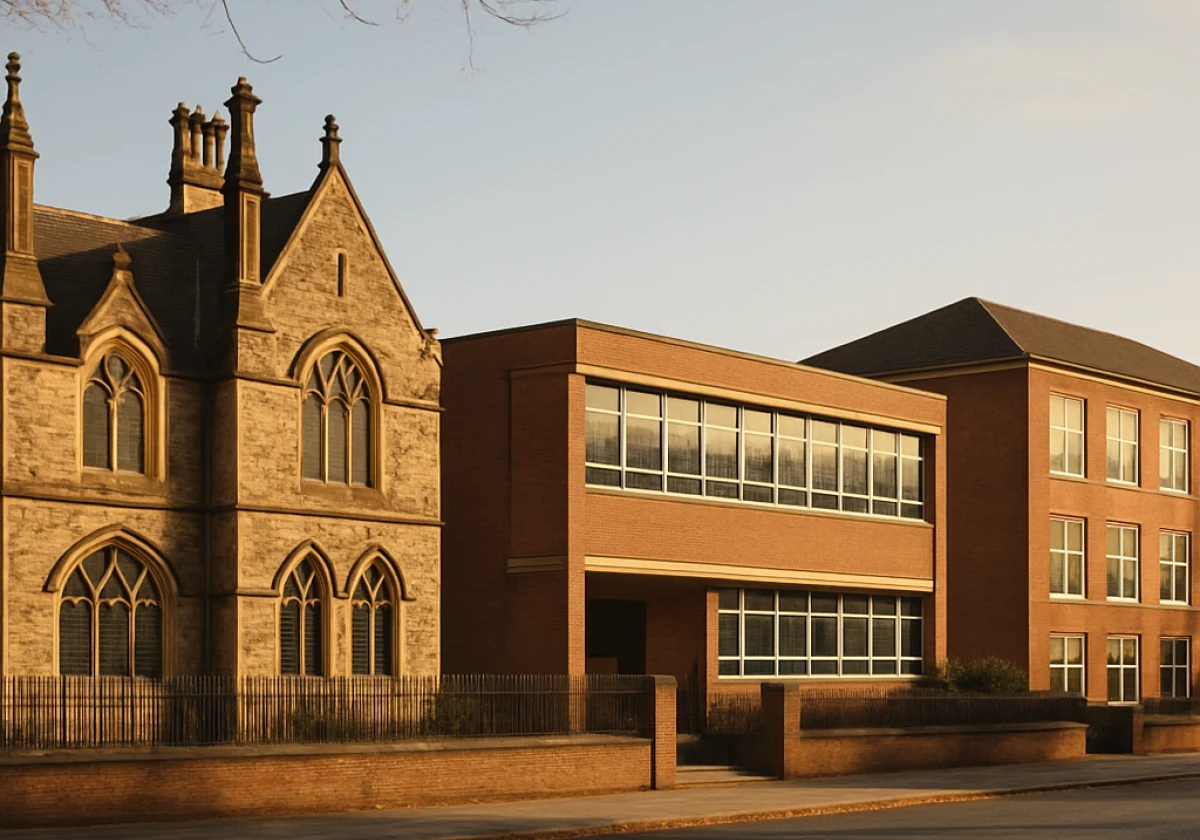
“I teach at an academy.” “She moved to a grammar school.” “Ours is a faith school.” You’ll hear these labels when UK teachers talk about where they work, and they can be confusing when several types exist within the same area.
The main difference is how a school is funded, governed or organised. You don’t need to memorise the whole system, but these are the terms most useful to recognise:
| School type | What it means |
|---|---|
| Community school | A state-funded school maintained by the local authority |
| Academy | A state-funded school that operates independently of local authority control |
| Grammar school | A state school that selects pupils based on academic ability, usually through an entrance test |
| Faith school | A school with a particular religious character, which can influence areas such as admissions and curriculum |
| Independent school | A fee-charging school that operates independently of the state-funded system |
One term can be particularly confusing for overseas teachers: public school. In England, the term traditionally refers to certain long-established independent schools, rather than a school funded by the government. If you mean a school that receives state funding, state school is the clearer term.
Where grammar schools survive, a grammar school place still turns on that exam at eleven. Academies answer to the Department for Education, while community schools sit with the local authority.
Fair warning: term dates decide when you can fly home, so book early (the summer rush is brutal).
Decoding the Staffroom Glossary of the School Day

Moving to the daily rhythm, the staffroom glossary saves you from blank looks in your first briefing. These six educational terms describe the routines you’ll encounter throughout a typical school day:
- Form Time and Registration: Form time brings a tutor together with their assigned group, while registration records which pupils are present. Many schools take the register at the start of the morning and again after lunch.
- Break Duty: A rota assigns staff to supervise pupils during break. You may spend the slot in the playground, corridors or another designated area.
- PPA Time: Short for planning, preparation and assessment, PPA is protected time for planning lessons, preparing resources and assessing pupils rather than teaching a class. In England, eligible teachers must receive at least 10% of their timetabled teaching time for PPA.
- Supply Teacher: A supply teacher steps in to cover a class when the usual teacher is absent, sometimes for a single lesson and sometimes for several days.
- School Meals and Packed Lunches: Staff may refer to school dinners, packed lunches or the meal register when sorting out what pupils are having for lunch that day.
- INSET Days and Half Term: INSET stands for in-service training and refers to staff training or professional development days. They’re pupil-free days, while half term is the short break that falls partway through each term.
Quick Tip: Write these down during induction week. Colleagues use them as shorthand and rarely stop to explain.
Support and Pastoral Terms You Meet Teaching in UK Schools
You’ll hear a different set of terms when conversations shift from lessons to a pupil’s needs, wellbeing or support. Some relate to learning difficulties, while others cover financial support, pastoral care and safeguarding.
Take SEN, for example. It stands for special educational needs and refers to learning difficulties or disabilities that require special educational provision. There’s a coordinator responsible for this provision in the school, known as the SENCO, or special educational needs coordinator. They work with teachers, families and outside professionals to coordinate the support a pupil needs.
Speaking of pupil needs, pupil premium is another term you’ll hear in UK schools. It’s additional funding provided to support eligible pupils and help improve their educational outcomes.
Pastoral care is a little broader. It covers the support a school provides for pupils’ wellbeing, behaviour and personal development. Depending on the school, this may involve tutors, heads of year, pastoral leaders and other support staff.
Safeguarding sits closely alongside pastoral care, but it has a more specific focus. It covers the school’s responsibility to protect children from harm and promote their welfare. You’ll hear about safeguarding from your first day, and you’ll need to know who your Designated Safeguarding Lead (DSL) is and how to report a concern.
Make the Staffroom Language Your Own
By now, you should have a clearer idea of the UK school terms you’re likely to hear in your first few weeks. You won’t remember every acronym or phrase straight away, and you don’t need to. When something catches you off guard, you can always come back to this guide for a quick refresher.
If you’re still getting used to the UK education system, The Library Fanatic has more plain-English guides to help overseas teachers settle into their new schools. Visit our website for more practical guidance on teaching and working in UK schools.