

Moving abroad to teach is a big career step. But once you’ve settled into your new role, what’s next? You might want to take on more responsibility, qualify for leadership positions, or develop new skills to become a better teacher.
The challenge is finding ways to make that progress while managing a full teaching schedule. Your days are already packed with lessons, marking, and student needs, so professional development can easily take a back seat.
The good news is that career growth doesn’t have to mean going back to university or taking on hours of extra work. These seven strategies can help you sharpen your teaching skills, expand your opportunities, and make the most of your international career.
1. Take Professional Development Courses to Build New Skills

Henry Ford once said, “Anyone who stops learning is old, whether at twenty or eighty. Anyone who keeps learning stays young.” The same idea applies to teaching. Your students keep learning and growing, and you need to keep growing with them.
One way to do that is through professional development courses. You can learn new classroom management techniques, explore teaching tools, or develop skills that prepare you for leadership roles. And you don’t have to wait for your school to arrange training for you.
Start with something you want to improve. For example:
- Classroom Management: Maybe you’re struggling to keep a lively classroom under control, or you want to make your lessons more engaging. There are plenty of online courses that can help you improve your classroom management skills.
- Educational Technology: If you want to make lessons more engaging, try tools like Kahoot! for classroom quizzes or Nearpod for interactive lessons. A short course can help you use these tools confidently and find practical ways to include them in your teaching.
- Language and Cultural Awareness: When you’re teaching abroad, you might not speak the same language as your students’ parents or colleagues. You probably won’t have time to attend regular language classes, either. An online course lets you learn at your own pace, so you can gradually pick up useful phrases for everyday conversations.
Quick Tip: Finish one course before you sign up for the next, because teaching abroad already fills your week. The last thing you want is to spread yourself across three courses, finish none of them, and have nothing new to show for your time.
2. Find a Mentor to Guide Your Career Growth
One concern we often hear from teachers is that asking for a mentor might make them look inexperienced. After all, you’re a teacher yourself. Shouldn’t you already know what you’re doing?
Not necessarily. You might be an excellent teacher with years of classroom experience. But moving to another country can mean learning a whole new set of school policies, assessment methods, and expectations. Even with years of experience behind you, it can feel overwhelming to face everything at once.
A mentor who’s familiar with the local education system can help you find your feet faster. They can share practical advice, explain how things work at your school, and help you avoid mistakes they’ve already learned from.
You don’t need a formal mentoring programme to get started, either. Approach an experienced colleague you trust and ask if they’d be willing to meet for 20–30 minutes every few weeks. Bring a specific question or challenge to each meeting, so you both know what you’d like to discuss.
Remember, you can be good at your job and still have plenty to learn. A mentor helps you build on the experience you already have, rather than start from scratch.
3. Join Teacher Communities and Attend Conferences
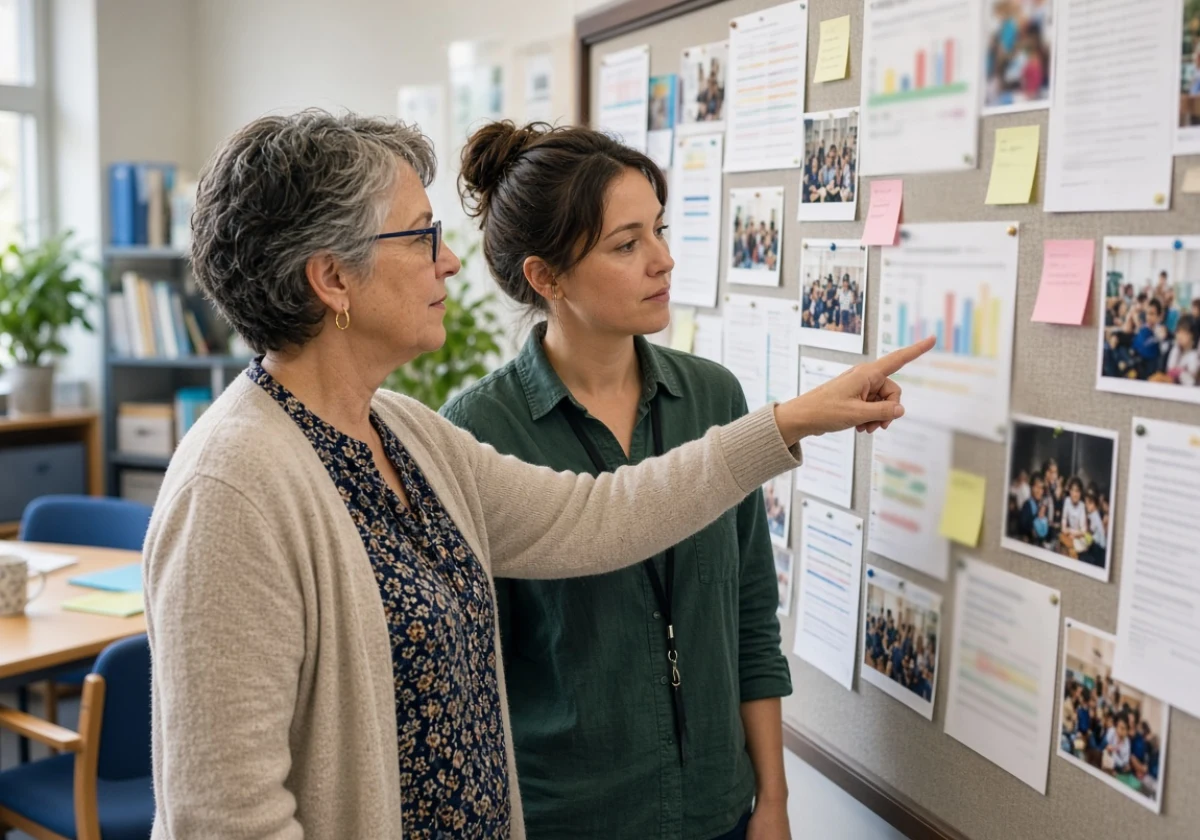
You can learn a lot from the teachers at your school, but their experience isn’t the only source of good ideas. Educators in other schools and countries may have found ways to handle the same classroom challenges you’re facing. Connecting with them gives you a chance to exchange ideas, learn from their experiences, and bring new approaches into your own classroom.
And you don’t need to travel to meet them. Start with online teacher communities where educators share lesson plans, discuss classroom challenges, and exchange advice. Search Google for online teacher communities for international educators or join a teaching group on Facebook or LinkedIn. Look for active groups where teachers share practical advice, not just job announcements.
If you’d rather learn face-to-face, look for local education conferences and workshops. You’ll get to discuss teaching methods with other educators, hear how they approach familiar challenges, and make contacts you can turn to after the event.
When you find an approach you like, try it in your classroom and share what you learn with your colleagues. That way, you can find out which ideas work best for your students.
4. Pursue Further Qualifications to Advance Your Career
Imagine you’re a principal at an international school in the UK, choosing between two teachers for a head of department position. Both have years of classroom experience, strong student results, and the respect of their colleagues. But one has also completed a postgraduate qualification in educational leadership.
Who would you choose?
Probably the second. Both candidates can teach, but the additional qualification suggests that one has invested time in learning how to lead a team, manage staff, and improve teaching across a department. It doesn’t guarantee a promotion, but it gives the principal another reason to consider that candidate.
5. Creating Content: Sharing Your Classroom Ideas Through a Blog or Podcast
Did one of your students go from struggling with a subject to scoring 100% on a test after you tried a new teaching method? That’s the kind of experience other teachers would want to hear about. Share what you did through a blog post or podcast, explain why you think it worked, and give other educators enough detail to try it themselves.
If your approach helps other teachers get better results with their students, they’ll have a reason to follow your work and recommend your resources. Over time, that can help you build a reputation beyond your own school and connect with educators who share your interests. Those connections could lead to invitations to contribute to education publications, speak at conferences, or collaborate on new projects.
You don’t need a big audience to start. Write about one teaching challenge you’ve solved, describe the approach you used, and share any worksheets or resources that might help other teachers replicate it. If writing isn’t your thing, discuss the same experience in a short podcast with a colleague.
The goal is to make your experience useful to other educators while building a body of work that demonstrates what you can contribute to the wider teaching community.
6. Reflect on Your Teaching to Identify Areas for Improvement
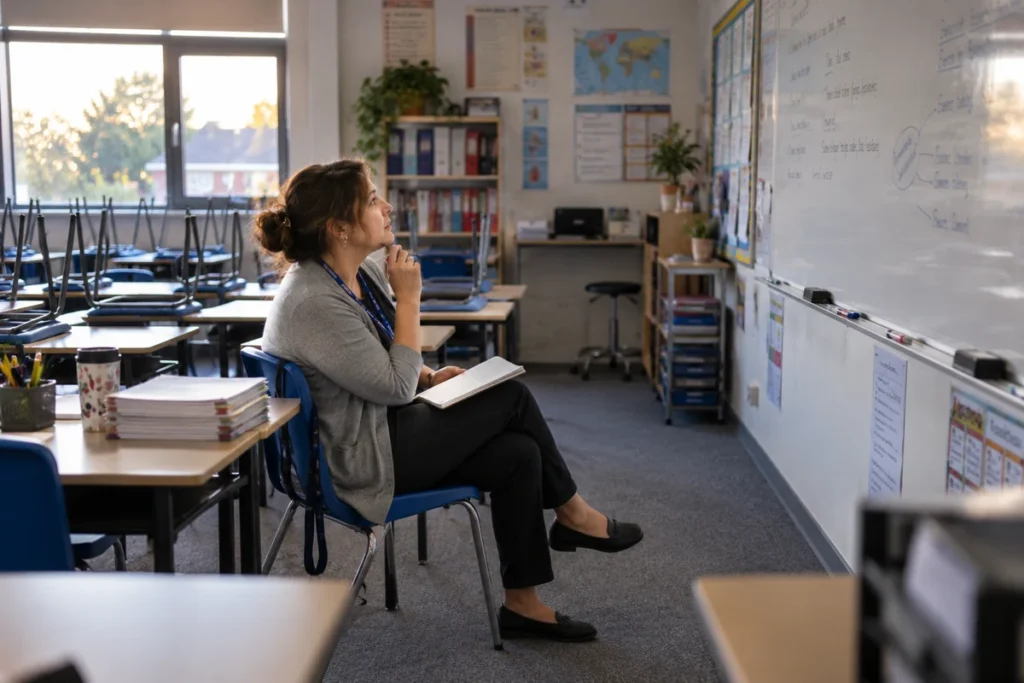
Your students aren’t the only ones who need to reflect on their mistakes. You do, too.
Say you scolded a student for refusing to participate in class. At the time, you might have thought they were being disruptive. But later, you realise the student struggles to speak in front of others, and your reaction made them even less willing to participate. Looking back, you might handle the situation differently next time.
That’s reflective practice. You look back at what happened, consider how your actions affected your students, and decide what you could do differently. It helps you recognise habits that aren’t working and build on the approaches that are.
You don’t need to write pages of notes after every lesson. At the end of the day, take a few minutes to consider three things:
- What Worked: Did a particular activity help students understand a difficult concept?
- What Didn’t: Did some students struggle to follow your instructions or stay engaged?
- What Will You Change: Decide on one adjustment to try in your next lesson.
Keep these notes in one place and review them every few weeks. You might notice that the same activity consistently confuses students or that a small change in your instructions leads to better participation. Use those patterns to decide what to adjust next.
7. Observe Other Teachers and Ask for Feedback
You might think your instructions are clear because every student seems to understand them. But a colleague sitting at the back of your classroom might notice that several students look confused before they start the task. You don’t always see these moments while you’re busy teaching, which is why another teacher’s perspective can be useful.
Arrange to observe a colleague’s lesson, then invite them to observe yours. Before the lesson, agree on one thing you want feedback on, such as how clearly you explain tasks, involve quieter students, or manage transitions between activities. A specific focus helps your colleague notice details you might otherwise miss.
After the lesson, sit down together and discuss what they observed. Ask for specific examples rather than general comments like “the lesson went well.” You can then decide which suggestions to try in your next class. When you observe your colleague, pay attention to how they handle the same challenge and consider whether their approach might work with your students.
You don’t need a formal observation programme to get started. Arrange a lesson swap with a trusted colleague and use what you learn to make one practical change to your teaching.
Keep Your Education Career Growing Wherever You Teach
Now it’s your turn. Which of these seven strategies will you try first? Or have you found another way to grow your teaching career abroad? Let us know in the comments.
For more teaching resources, professional advice, and career guidance, explore The Library Fanatic. We’re here to help you explore your next step as an educator.