

International teachers can build strong classroom connections by learning pupils’ names, sharing their experiences, setting clear routines and involving families. These small daily habits help pupils feel comfortable with a teacher who has recently arrived from another country.
Still, moving into UK classrooms brings new accents, school systems and expectations, so the first term can feel like a test for everyone. At The Library Fanatic, we hear from overseas teachers who want practical steps rather than theory, and that’s where this list starts.
This guide shares five teaching strategies you can try from your first week. So let’s strengthen relationships with your pupils.
1. Learning Names and Pronunciations: The First-week Groundwork for International Teachers

A pupil whose name you say correctly on day one will remember it all year. That small moment of respect shows you see them as a person, especially when your accent sounds unfamiliar to them.
The three habits below cover the first five school days, when children form their view of a new teacher fastest.
How to Get Every Name Right by Friday
Ask each pupil to say their name aloud, and write it phonetically on your seating plan. Then, before each lesson, read the plan through once and greet five pupils by name at the door. Maybe add five more each day (most pupils notice this effort).
By Friday, you’ll have practised several names and identified any you’re still unsure about. You can also ask pupils to correct your pronunciation whenever necessary.
Why Your Own Name Story Breaks the Ice
Your own name story gives pupils a chance to learn something personal about you. Perhaps someone has misspelt, shortened, or mispronounced your name since you arrived in the UK. Sharing that experience allows pupils to understand that you’re learning too.
Hearing your story makes correcting mistakes feel less awkward as well. And when you invite pupils to help with pronunciation, they’re more likely to speak up if you get their names wrong.
Small Daily Check-ins That Pupils Notice
Quick check-ins, like asking about a weekend football match or new trainers, show you remember details beyond test results. From our work with overseas teachers, those who keep a short notebook of these details build classroom relationships noticeably faster than those relying on memory alone.
Not to mention, those details give you something familiar to ask about the next time you see them. A ten-second conversation at the door lets a shy pupil speak with you individually before the lesson begins.
2. Why Does Sharing Your Home Culture Help Pupils Open Up?
Sharing your home culture makes you seen as a real person rather than just the new teacher. You don’t need a separate cultural activity for this. The three ideas below fit into subjects you’re already teaching:
- Objects From Home: A coin, a postcard or a packet of local sweets gives pupils something to hold, pass round and question. For a maths lesson, pupils could compare the coin’s value with British currency. In geography, a postcard could start a discussion about your home country’s climate or landmarks. Let pupils ask questions before explaining the object’s significance.
- Language Swaps: Teach the class to say “good morning” in your first language, then invite multilingual pupils to add phrases from theirs. You can try writing the greetings on the board and practise their pronunciation together. You’ll find that learners who rarely speak up sometimes lead this with surprising confidence.
- Honest School Comparisons: Pupils are often curious about school life in other countries. Short comparisons of school days, uniforms, or lunch back home spark plenty of questions. This also shows how different education looks across countries.
Tip: Keep each activity under five minutes and connect it to the day’s lesson. A short cultural exchange works best when pupils have time to contribute rather than simply listen to your story.
3. Clear Routines Give Pupils Something to Trust Before They Trust You

Steady routines in UK classrooms cut confusion and give international teachers calmer lessons within weeks. Pupils who already know how to enter, settle and pack away spend less energy testing a new adult (their attention goes back to the lesson instead). That predictability lets students trust the structure first, while they get used to your voice.
In practice, a three-part routine covers most needs:
- Put a starter task on the board as pupils arrive
- Use one clear signal for silence
- Keep the same packing-away order every day
You can display it on a slide for the first month so nobody has to guess.
Based on what we’ve seen supporting teachers trained abroad, copying your department’s routines saves weeks of trial and error. Children recognise them instantly. Once things run smoothly, you can relax them slightly for trusted groups, and most will treat that freedom as a reward.
4. Bringing Families and Form Tutors into the Conversation Early
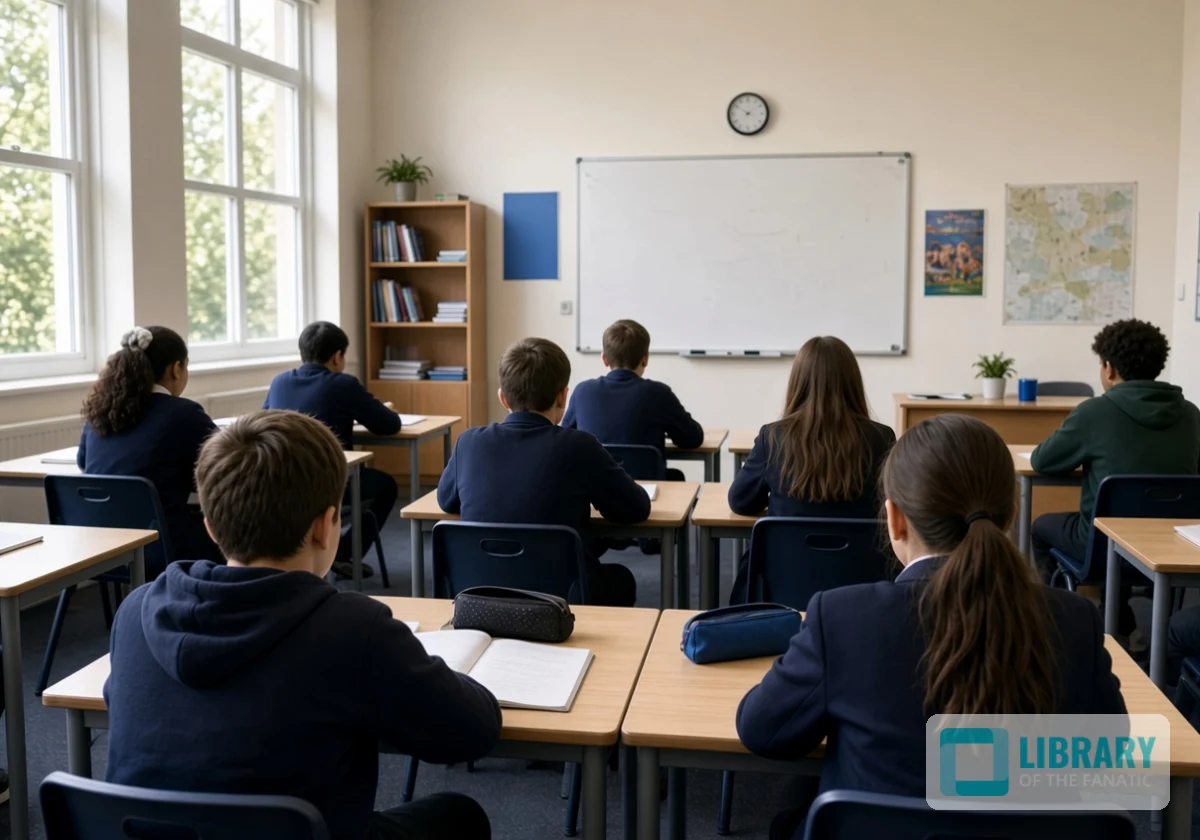
Beyond the classroom walls, a wider circle of adults can make your job far easier. Most parents never hear from a teacher until something goes wrong, so a positive call stands out. Early contact with families and colleagues also gives you information pupils rarely share in lessons.
Each of the three steps that follow takes less than an hour a week.
What a Two-Minute Phone Call Home Does
A two-minute call home tells a parent their child did something well, and it often changes how that pupil behaves the next day. The Education Endowment Foundation links parental engagement with around four extra months of the student’s academic progress over a year.
To be specific, mention one concrete moment, like a tidy diagram or a kind word to a classmate. Parents will then repeat this precise praise at home (vague praise rarely gets passed on at the dinner table). Some proud families might even share it with relatives on social media.
This way, if you need to raise a concern later, that family will already know your voice, and they tend to listen rather than defend.
Using Form Tutors and Support Staff as Your Guides
Form tutors see the same pupils every morning. They can tell you about home life, friendships, and past challenges you’d never spot alone.
On top of that, teaching assistants often know which strategies calm a particular student, so ask them before you try something new. Trust us, most staff are glad to help when you bring a specific question rather than a vague request in a busy corridor.
When Mental Health Concerns Need a Second Pair of Eyes
If a pupil seems withdrawn, tearful or suddenly angry, tell the designated safeguarding lead (DSL) when appropriate. This colleague is trained to handle welfare and mental health concerns, as set out in the government’s Keeping Children Safe in Education guidance.
Keep in mind that cultural differences can lead you to misread a quiet pupil as unhappy, or miss real distress. A second view keeps your judgement balanced.
Important Note: Record what you observed, including dates and the pupil’s exact words, using the school’s approved system. In the meantime, avoid making assumptions about the cause, and leave any further investigation to the staff responsible for safeguarding.
5. Pupil Feedback: Asking What to Keep and What to Try Next
Pupils can tell you which parts of your lessons help them learn and where they struggle. Asking for feedback each half term gives you a chance to adjust your teaching before small problems continue. Short, anonymous questions may also encourage pupils to answer openly.
Rotate between these three formats so pupils don’t tire of the same questions:
- Keep, Try, Change Cards: Each pupil writes one thing to keep, one to try next, and one to change on an index card. For example, several pupils might want more time to practise before answering questions aloud. Sort the cards into common themes and choose one suggestion to test in your next few lessons. A full class set should take around ten minutes to review.
- Quick Online Polls: Short polls through Microsoft Forms or Google Forms let shy students answer from their seats unseen. You could ask them to rate the pace of your explanations or choose which activity helped them understand a topic. And the results arrive instantly, so you can share a summary next lesson.
- Two-Question Exit Tickets: At the end of a lesson, ask “What helped today?” and “What confused you?” Pupils can write their answers on slips before leaving. If several mention the same difficult concept, begin the next lesson with another explanation or worked example. This approach works well when you need feedback on a specific topic rather than your overall teaching.
Pupils are more likely to take feedback seriously when they see you respond to it. After making a change, explain what you heard and what you’ve adjusted. You don’t need to follow every suggestion, but a brief explanation helps pupils understand why some ideas work better than others.
Start Small and Keep Showing Up
At the end of the day, strong classroom connections come from small habits repeated every day, rather than one big gesture in September. International teachers who stay consistent with the efforts usually see pupils relax and engage within the first half term.
So pick one idea from this list and try it next week, then add another once it feels natural. Your pupils will notice the effort long before you feel fully settled.
And if you need more ideas, The Library Fanatic offers practical teaching advice and resources for teachers settling into UK schools. Contact our team to explore more classroom tips and start your first year with confidence.