

As an overseas teacher, you can prepare for your first In-Service Education and Training (INSET) day by finishing the paperwork, reading, and travel planning before you arrive. With those jobs done first, that day runs more smoothly.
The Library Fanatic shares guides for teachers relocating to the UK. This time, we’ll focus on your first INSET day and how to prepare for it. We’ll explain what happens during staff training, which tasks to finish before you arrive and who to ask for help at your new school.
Let’s start with understanding this training day.
What Happens on a UK School INSET Day for New Teachers?

Your first INSET day will usually include a welcome from the school leadership team, staff introductions, and training on school policies. You may also meet your mentor, review classroom plans, and prepare resources for the new term.
However, the exact dates and arrangements vary between schools. For instance, Somerset Council’s guide to INSET days explains how maintained schools choose five training days within the 195-day school year.
Many schools in England schedule an INSET day at the start of September, so new staff can settle in before pupils arrive. The day usually follows normal school hours, and you should dress as you would for teaching. It includes whole-school meetings, department discussions, and time to prepare your classroom.
If you’re new to the school, your mentor may take you on a tour, explain the fire procedures and show you who to contact for help. You’ll also receive your timetable and login details.
Before You Land: Paperwork and Checks Overseas Teachers Should Finish Early
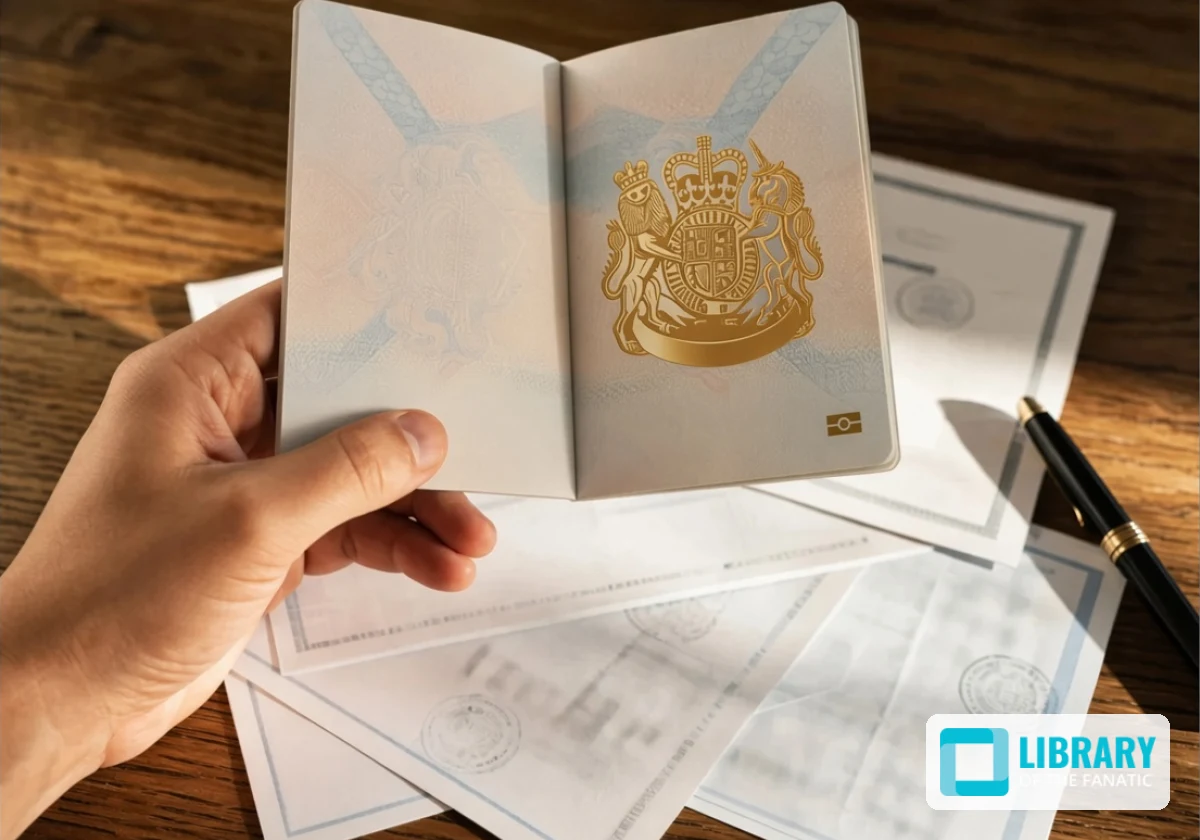
Schools must complete certain checks before you can work with pupils, and overseas checks often take longer. Sorting out banking and travel arrangements early also saves time.
Your first INSET day will be easier to manage if you complete these five tasks.
Right to Work, Visa and DBS Paperwork the School Needs on Day One
The school’s HR team must see proof of your right to work before you start. That usually means your passport, eVisa share code and certificate of sponsorship details.
You’ll also need an enhanced DBS check, which reviews your criminal record for work with children. Many overseas teachers need a police certificate from each country they’ve lived in. These can take time to arrive, so request police certificates as soon as you accept the post.
Scan every document into one folder and email copies to HR ahead of time (originals still travel with you in your hand luggage).
Reading the Safeguarding Policy and Keeping Children Safe in Education
Safeguarding means the steps every adult in a school takes to protect children from harm. The Department for Education sets out these responsibilities in its statutory Keeping children safe in education guidance, which applies to schools and colleges. The latest version was updated in November 2026.
Your school will ask you to read Part One of the guidance and confirm you’ve read it. You’ll also need to know who your Designated Safeguarding Lead (DSL) is. They’re the person you should speak to if you’re worried about a child’s safety or welfare.
You can find their name and contact details in your school’s safeguarding policy. Reading the policy and Part One ahead of INSET gives you time to understand the school’s expectations and prepare questions. Our guide to safeguarding duties in UK schools explains how reporting works day to day.
Checking School Term Dates and the Calendar for the Year Ahead
School term dates in England vary by local authority and academy trust, so no single national school calendar applies. Check your school’s website for its term dates, holidays and INSET days for the academic year.
You can also check your local authority’s website to confirm the dates, as academies often set their own calendars. Pay close attention to the October half term and Christmas break if you plan to visit family abroad.
Once you’ve confirmed the dates, add them to your phone calendar straight away, including the February half term, the Easter holidays, and the summer holidays. That way, you can book flights or ferries before travel costs rise during school breaks.
Sorting a UK Bank Account, National Insurance Number, and Phone
Your school pays your salary into a UK bank account, so payroll will ask for your account details early. If you’re anything like most new arrivals, an app-based bank is often the easiest option while you’re settling into your new home.
You’ll also need a National Insurance number, which payroll uses to record your tax and pension contributions. Apply once you have a UK address.
A UK SIM card also helps, because schools send login codes and staff messages by text. Buy one at the airport so your new number is ready for HR forms.
Planning the Journey to School Before the Morning Rush
Plan your route to school well ahead of your first INSET day. Ideally, do a practice run at the same time you’ll travel to work. Roads and trains near a school can look very different at 7:45 AM than they do at noon.
A weekend bus ride gives you a rough idea of the journey, but weekday commuter traffic can add considerable time. If possible, live within a single bus or train ride of school, because every change adds a chance of delay.
On the day, aim to arrive 15 minutes before the briefing starts. Anyone who’s started at a new school knows reception gets busy, and early arrivals collect their lanyard and keys without queuing.
Once the paperwork’s done, the day itself becomes much easier to follow.
Getting Through the Day Itself: Sessions Most Schools Run
Most INSET days follow a similar running order, although each school plans the content around its own priorities. Breaks usually fall at the times pupils would take them, so you’ll get a feel for the school day.
For overseas teachers, behaviour and assessment sessions often include unfamiliar terms and procedures. UK schools use their own reward points, detention systems and marking codes, each covered by a written policy. We suggest asking for these policies ahead of INSET to help you follow the discussions. Acronyms like SEND, SLT and CPD also come up regularly.
Jet lag can make the day harder if you only landed that week. You’ll probably feel tired by mid-afternoon, so keep water and a snack in your bag.
Expect most of these sessions to appear somewhere on the agenda:
- Whole-School Briefing: Senior leaders explain the school’s priorities for the academic year. Note any important dates or policy changes.
- Safeguarding Refresher: The DSL explains how to report concerns about pupil safety. For example, you’ll learn who to contact if a pupil tells you about abuse or you notice signs of neglect.
- Behaviour Policy Training: You’ll learn how the school handles rewards, sanctions and detention. If you’ve used a different behaviour system at your previous school, you may need time to adjust to the new rules.
- Department or Year-Group Meetings: You’ll discuss lesson plans, curriculum targets and assessment schedules with colleagues. Ask about shared resources for your subject or year group.
- IT Setup: The school helps you access email, class registers, and pupil data systems. You might need separate logins for different systems, so check which passwords you’ll need for daily tasks.
Keep track of what you’ve covered during the day. Your line manager can help you catch up on any missed sessions before pupils arrive.
You’ll also learn plenty from the colleagues around you during your first few days.
Colleagues Will Answer the Questions No Induction Pack Covers

Your colleagues can help with the everyday questions that induction packs often leave unanswered, such as how to use the photocopier or where to park.
Make a point of introducing yourself to these three people during your first INSET day:
- Your Assigned Mentor: Usually an experienced teacher, your mentor meets you regularly during the first term. They’ll explain the school’s marking system, parent contact procedures and report deadlines. Bring written questions to your first meeting so you can get clear answers early.
- The Office Staff: Reception and admin staff handle lanyards, keys, parking permits and payroll forms. They’re also familiar with room bookings and common IT problems. Introduce yourself early and learn their names, as you’ll speak to them regularly.
- A Department Colleague: Someone who teaches the same subject can help you understand how the department works. They can share lesson plans, useful resources and tips about daily routines. You could also ask to observe one of their lessons during your first fortnight.
Keep a running list of questions on your phone and bring it to each conversation. Short, specific questions get faster answers than a general request for help.
Walk Into Your First Term Ready
Request your overseas police certificates and send your documents to HR this week, since those checks take the longest. Once you land, do your practice journey on a weekday morning and ask HR for the INSET timetable, so you know where to be on arrival.
Your first INSET day is only one part of settling into a new school. Explore The Library Fanatic for more guidance on relocating, finding your feet and adjusting to life in the UK.